
Solar warranty guides, in plain words
What the three warranties cover, who holds each one, and what a claim needs to get paid.
Every claim about a manufacturer here is checked against that manufacturer's own published terms, and the source is listed at the bottom of the page.
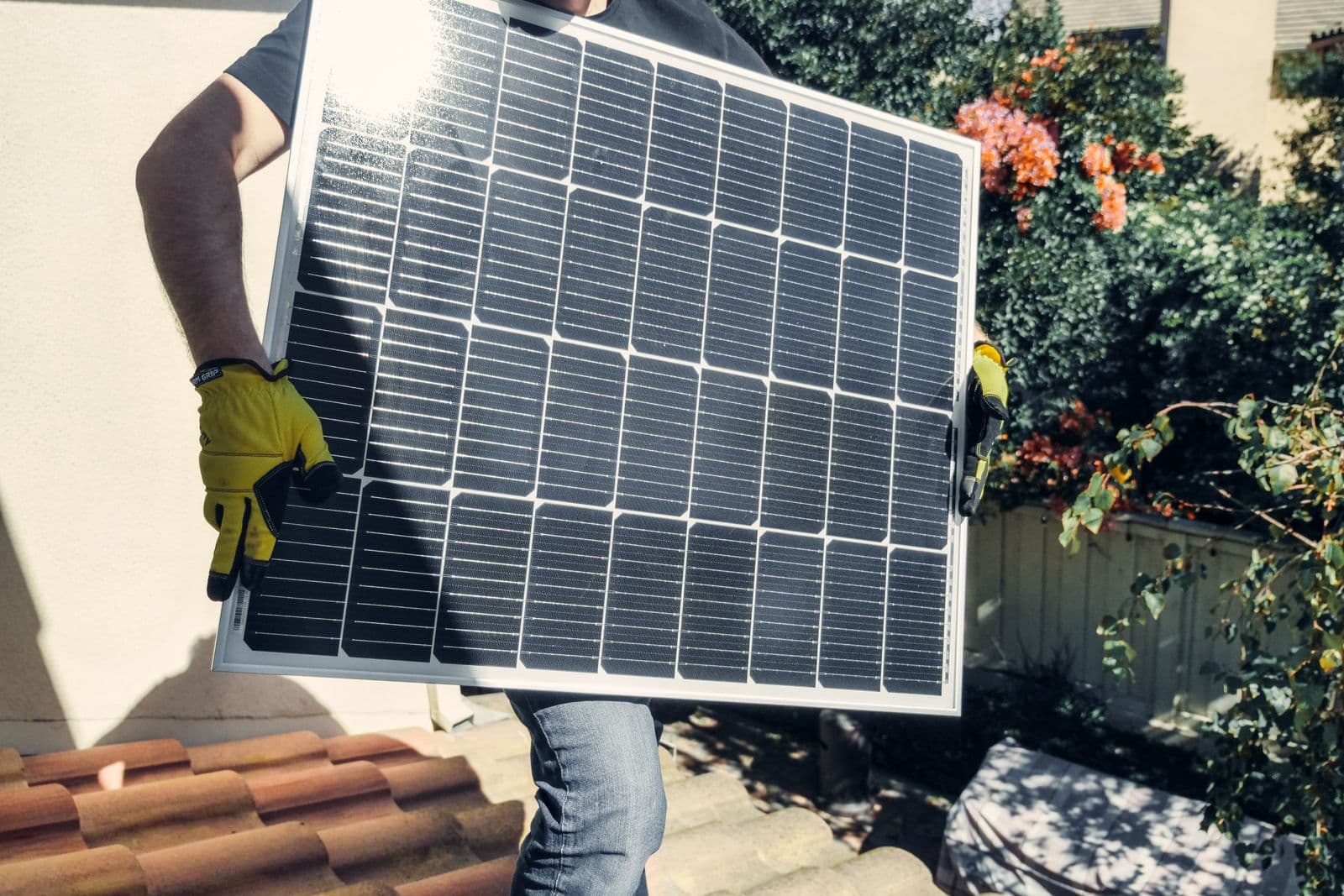
Solar panel warranty explained: the three types and what each one covers
A solar system carries three separate warranties, and they are held by different companies. Here is what each one covers, how long it lasts, and which one you need when something breaks.
For homeowners
What your warranty covers, who holds it, and what to do when something stops working.
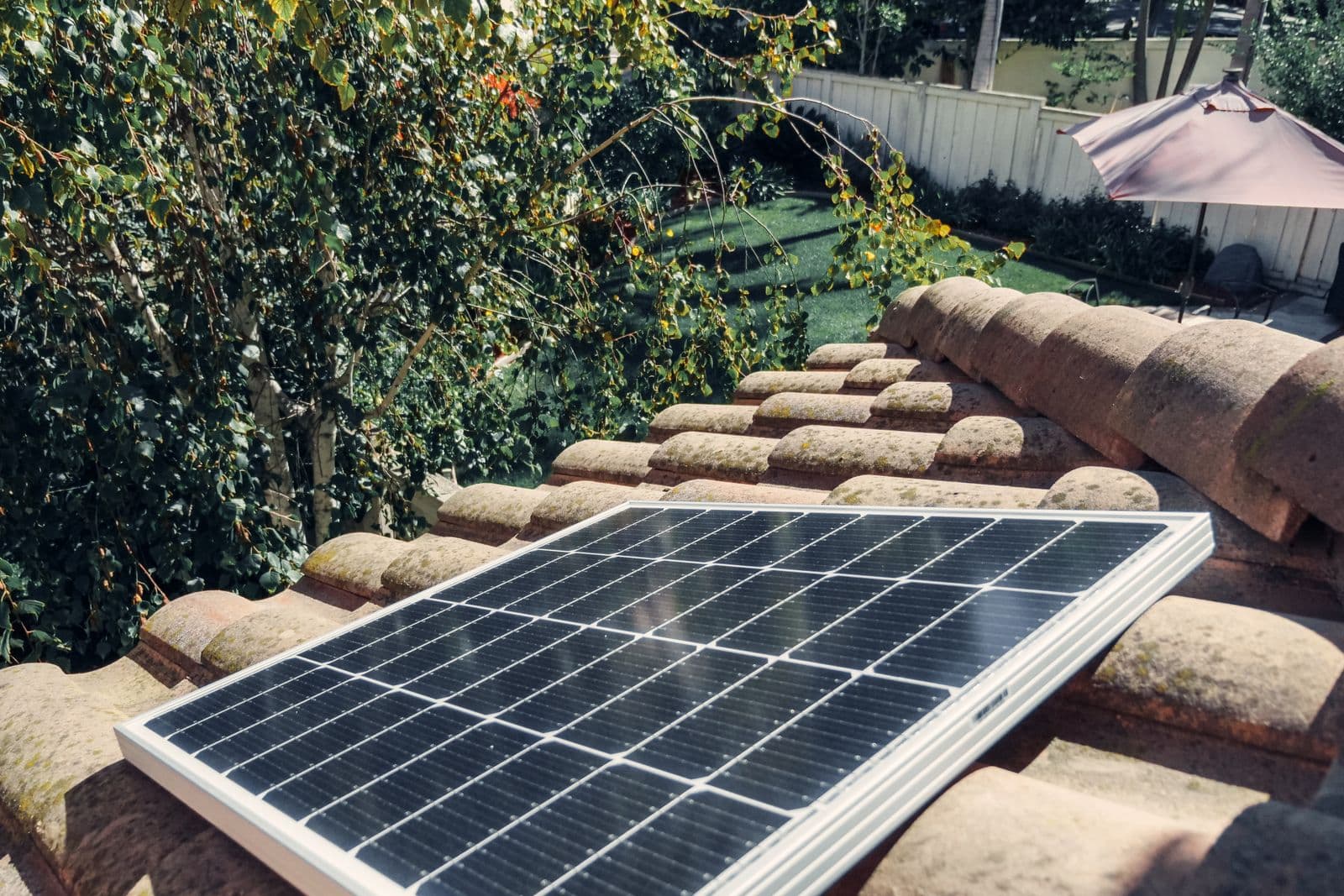
How long do solar panels last? The answer with a document behind it
Every other page answers this with an average somebody made up. The only enforceable answer is the term a manufacturer signed: 25 to 30 years on the panel brands we have checked, and 10 to 12 on the inverters.
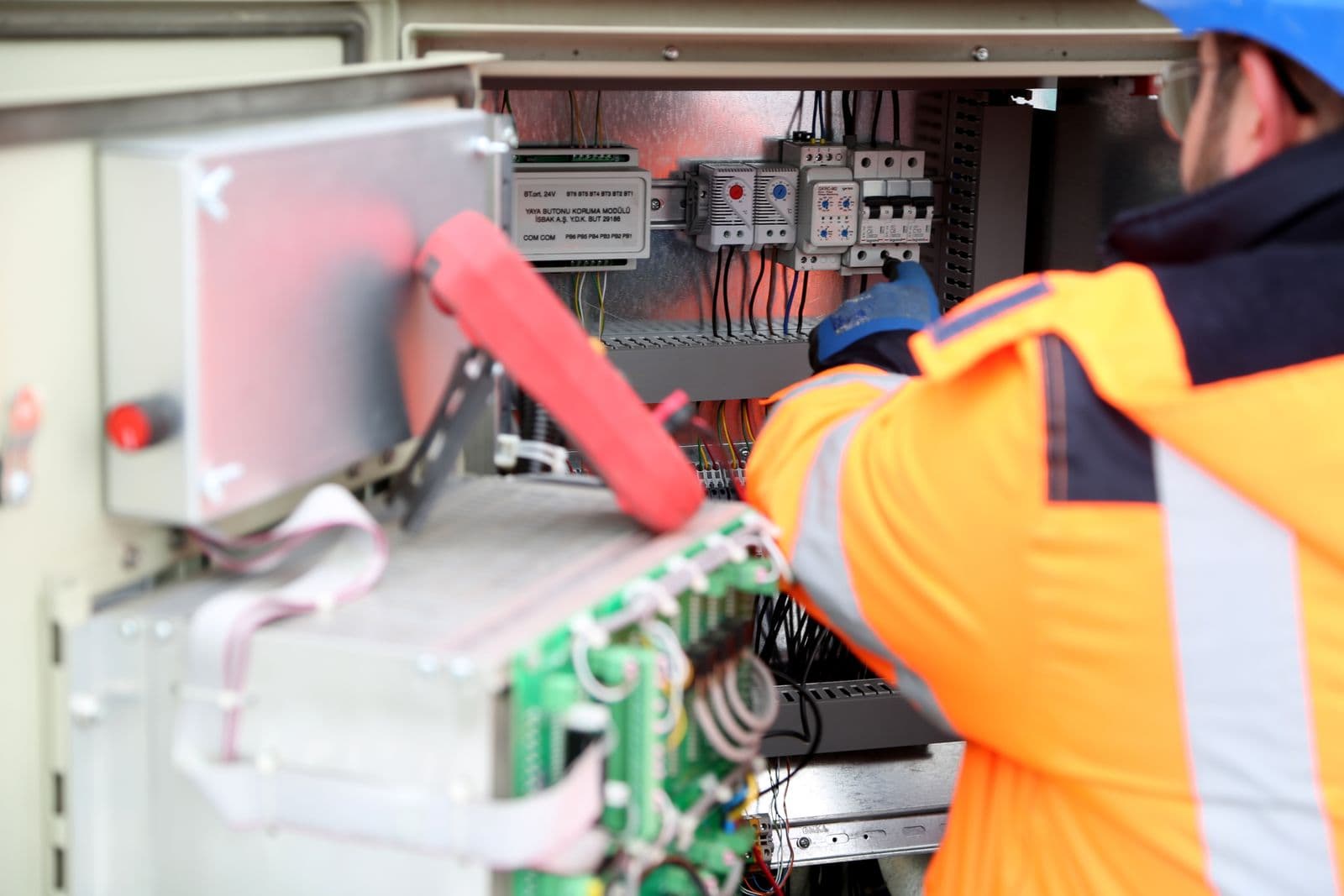
Solar inverter repair: claim first, pay second
Inverter warranties in our catalogue run 10 to 12 years, and several start before your install date. Work out your real expiry and check the conditions before anyone quotes you for a replacement.
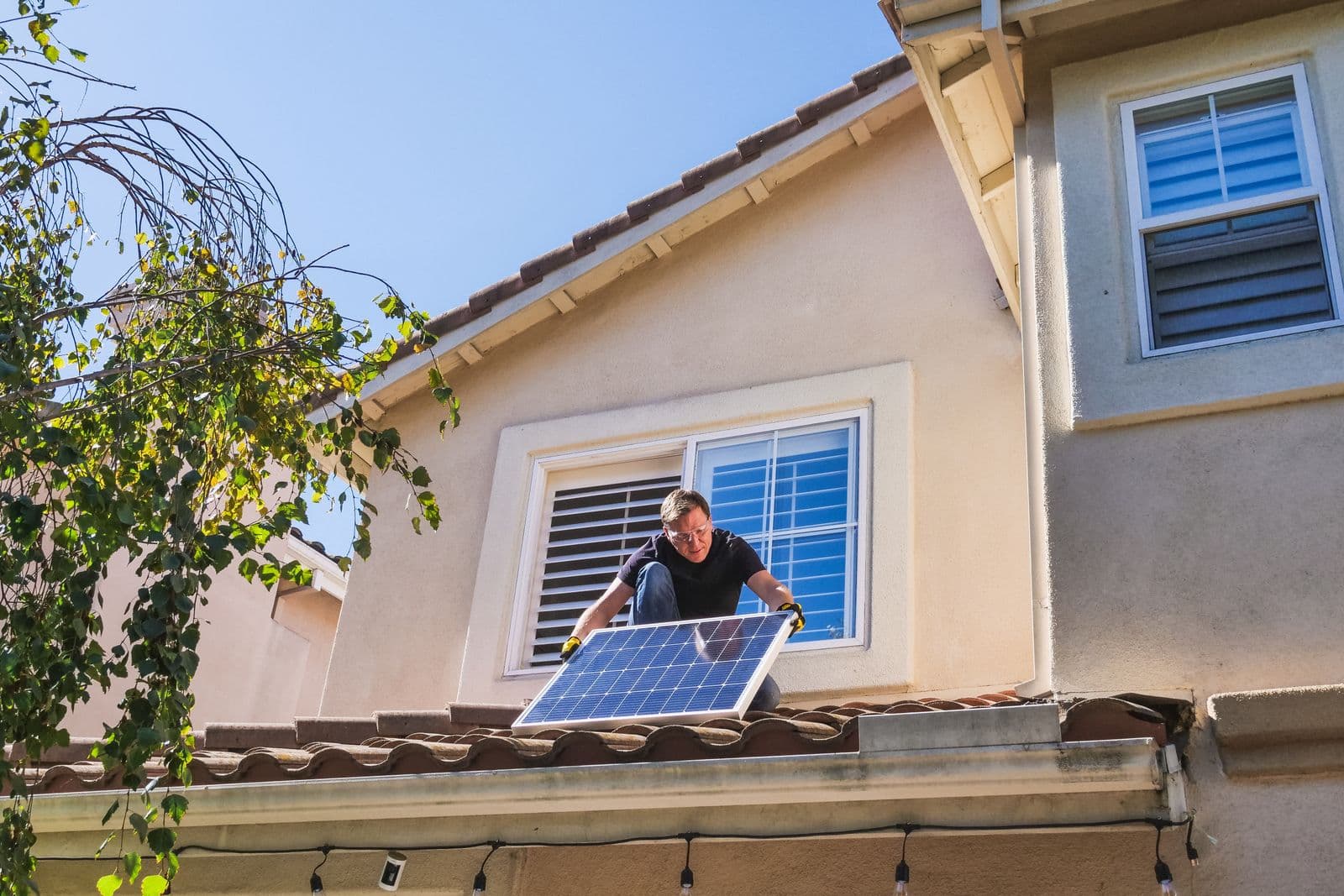
Solar panel maintenance: what actually needs doing
Most solar maintenance advice is about cleaning glass. The maintenance that actually costs you money when it is skipped is the upkeep your warranty depends on, and it happens on a router and in a filing cabinet, not on the roof.
Solar panel repair: check the warranty before you pay
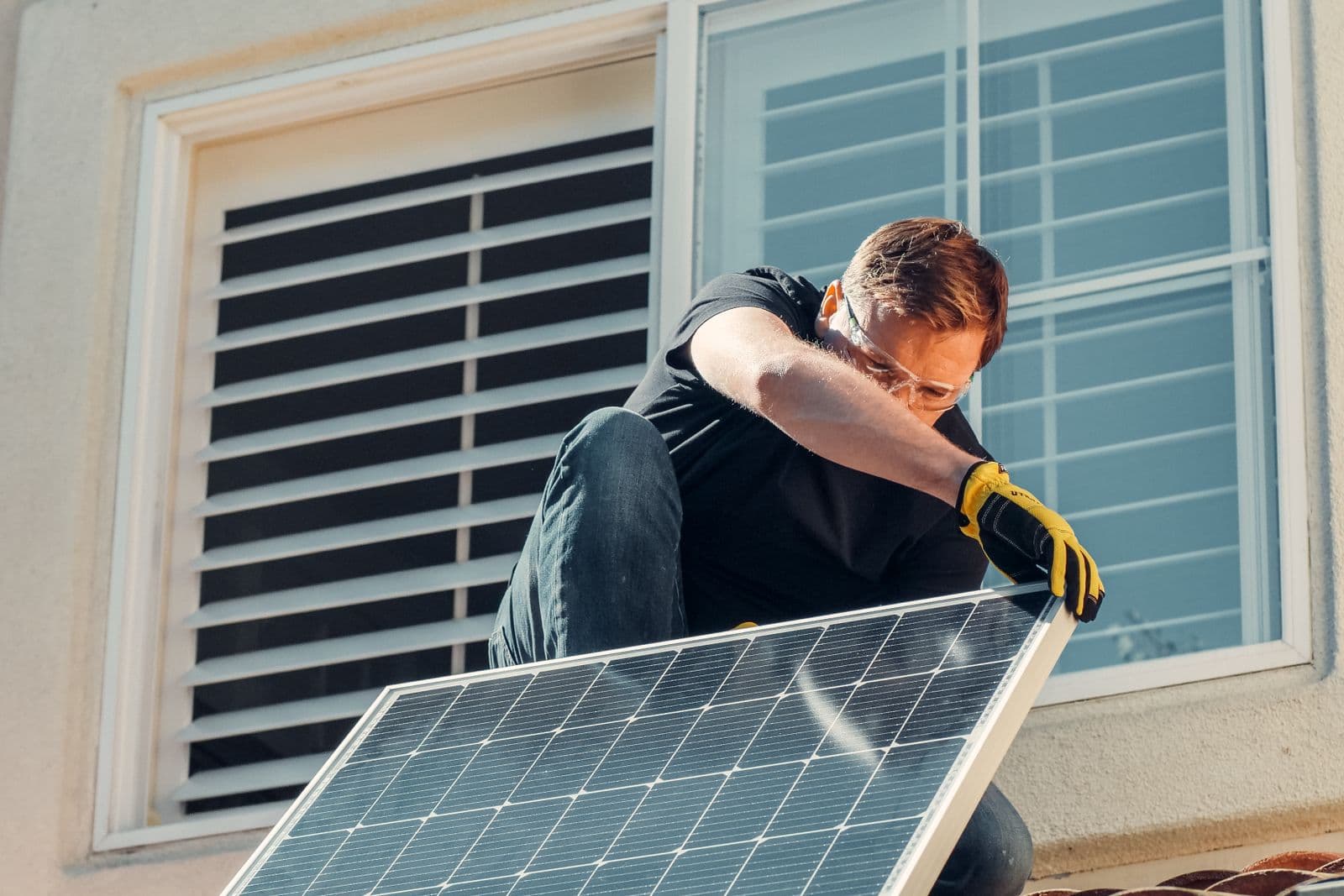
Most solar panel repairs are actually replacements, and a good share of them are somebody else's bill. Work out which of the three warranties your fault belongs to before you approve any quote.
The best solar panel warranty in 2026, judged on labour cover rather than years
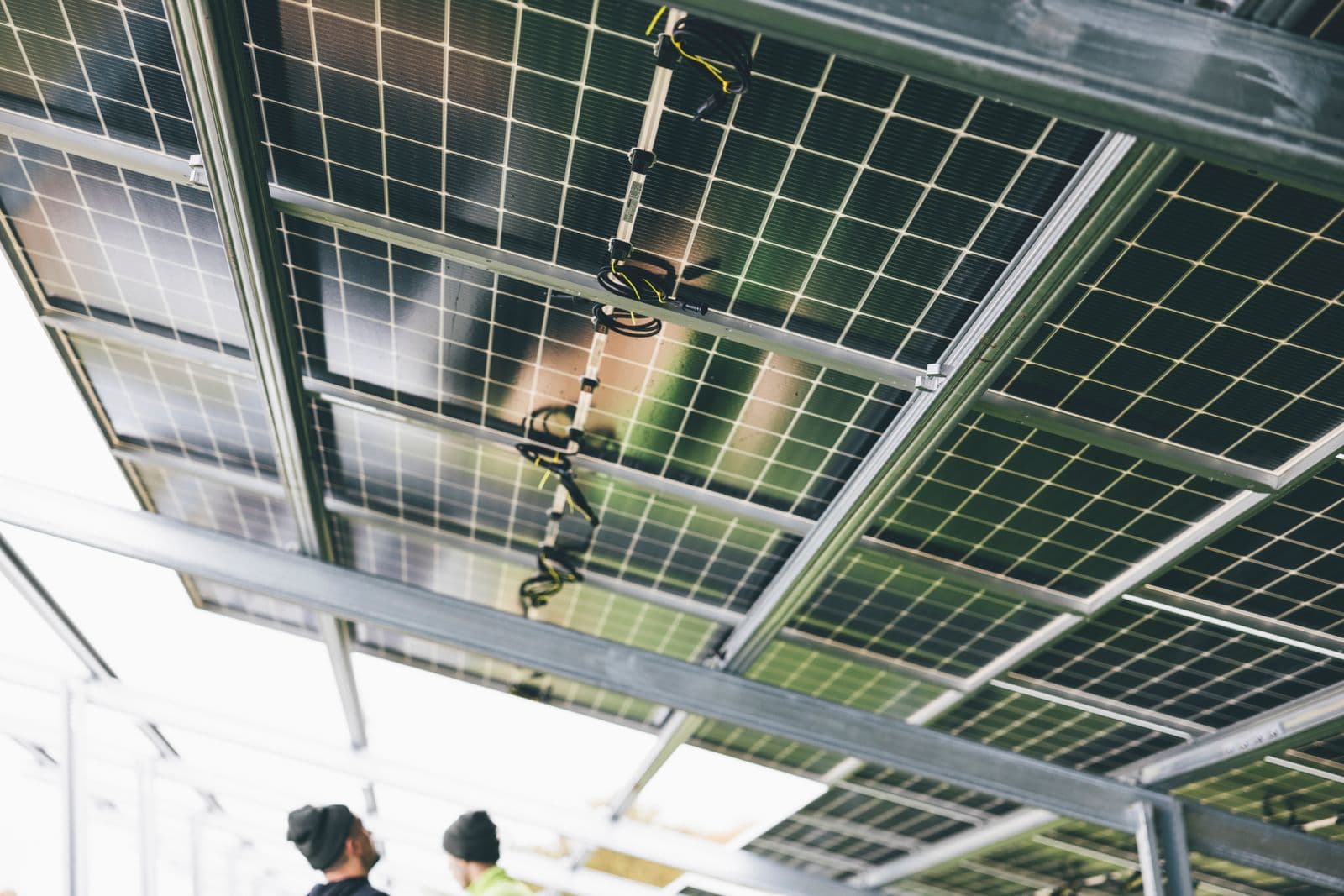
Almost every panel brand offers 25 years. Almost none of them pay for the work of replacing a panel. Ranked on the thing that actually costs you money, one brand in this catalogue is not close.
Buying a house with solar panels: transferring the warranties
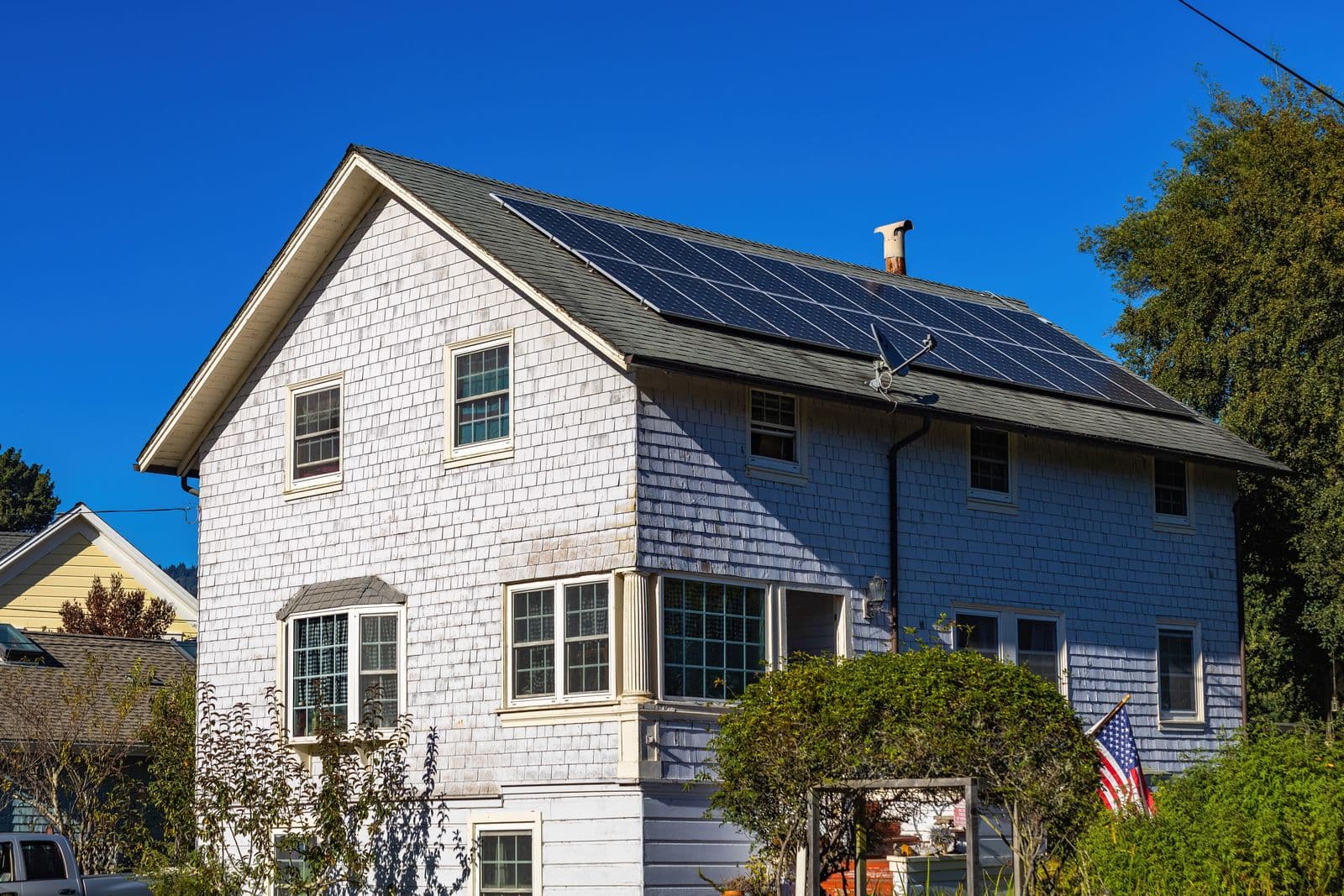
The solar system comes with the house, but the paperwork often does not. Here is what to ask the seller for before settlement, which warranties survive the sale, and the conditions that can quietly halve one after you move in.
Do solar panels void your roof warranty?
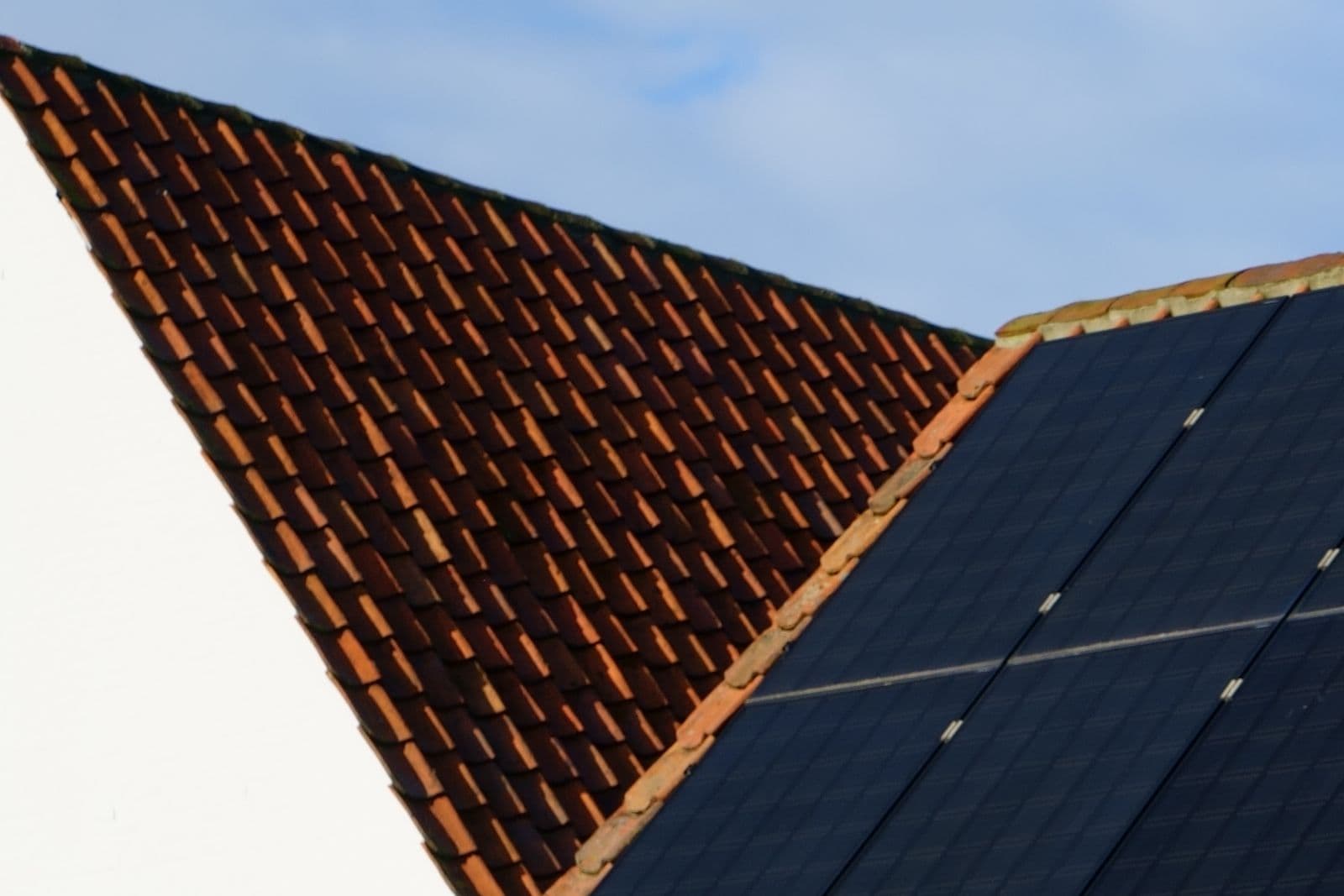
Solar can affect a roof warranty, but the honest answer is that it depends on your roofing manufacturer's document and who did the work. Here is how the three warranties involved actually divide up, and what to ask before anyone drills.
Enphase microinverter warranty: 25 years, activation, and what labour is covered
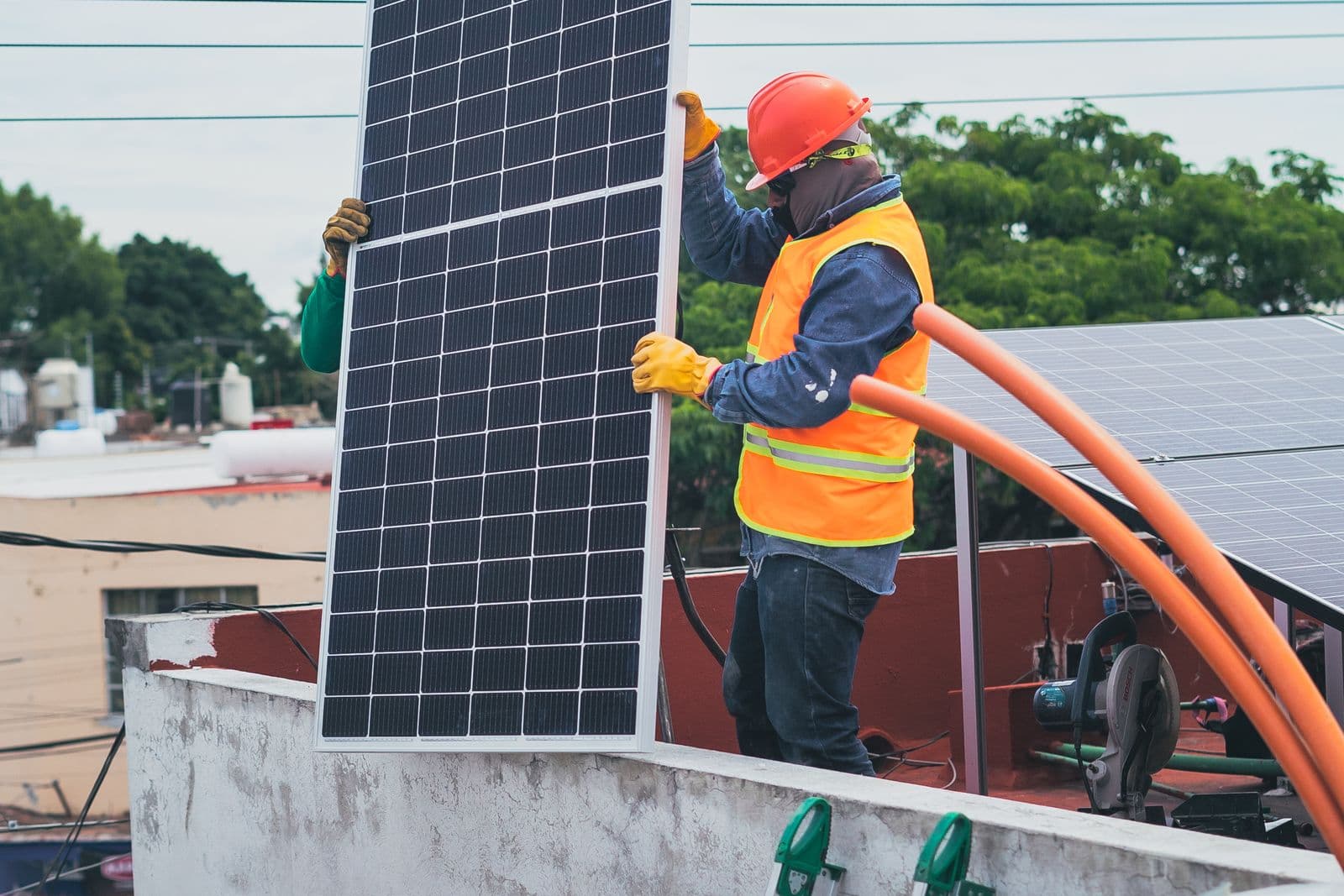
Enphase IQ8 microinverters carry 25 years, running from activation in Enlighten rather than from install. In the United States Enphase also pays toward labour, which almost no other brand does. Here is how both parts work.

How to file a solar warranty claim, brand by brand
Most solar warranty claims are won or lost on paperwork, not on the fault. Here is the process that works for every brand, and the brand specific things that change it.

Product, performance and workmanship warranty: three different things
Three warranties, three different companies, three different failures. Here is what each one actually covers, using real terms from manufacturer documents, and how to tell which one your problem belongs to.
Solar inverter replacement cost, and how to check the warranty first
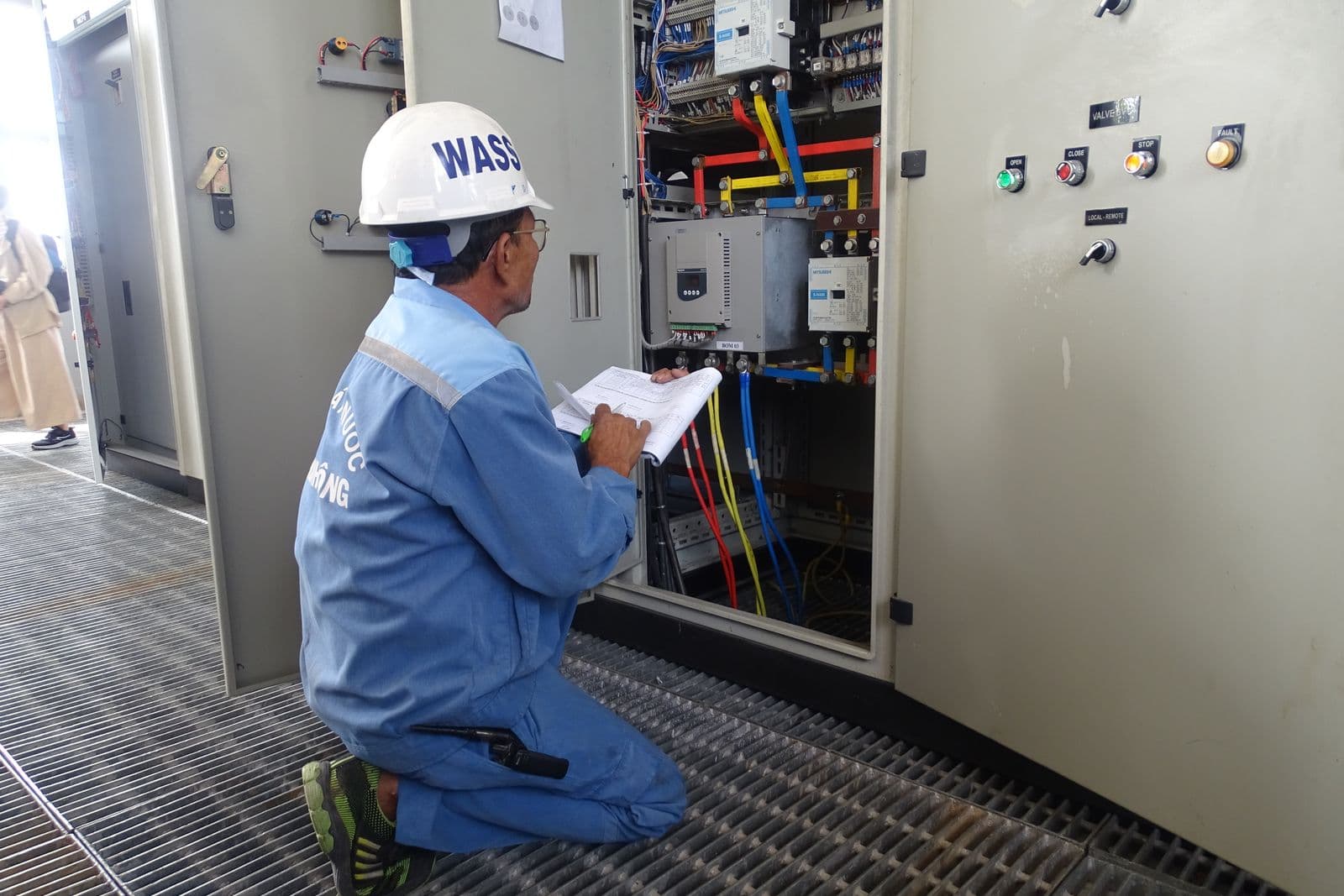
Before you price an inverter replacement, check whether you are actually paying for it. Most inverter warranties run 10 to 12 years, and several start earlier than your install date.

When a solar company goes under: which of your warranties survive
A warranty is a promise from a company. When the company stops existing, so does the promise. Here is how to work out which of your solar warranties are still backed by someone who is still trading.
Solar panel degradation rate: what is normal, and when it is a claim
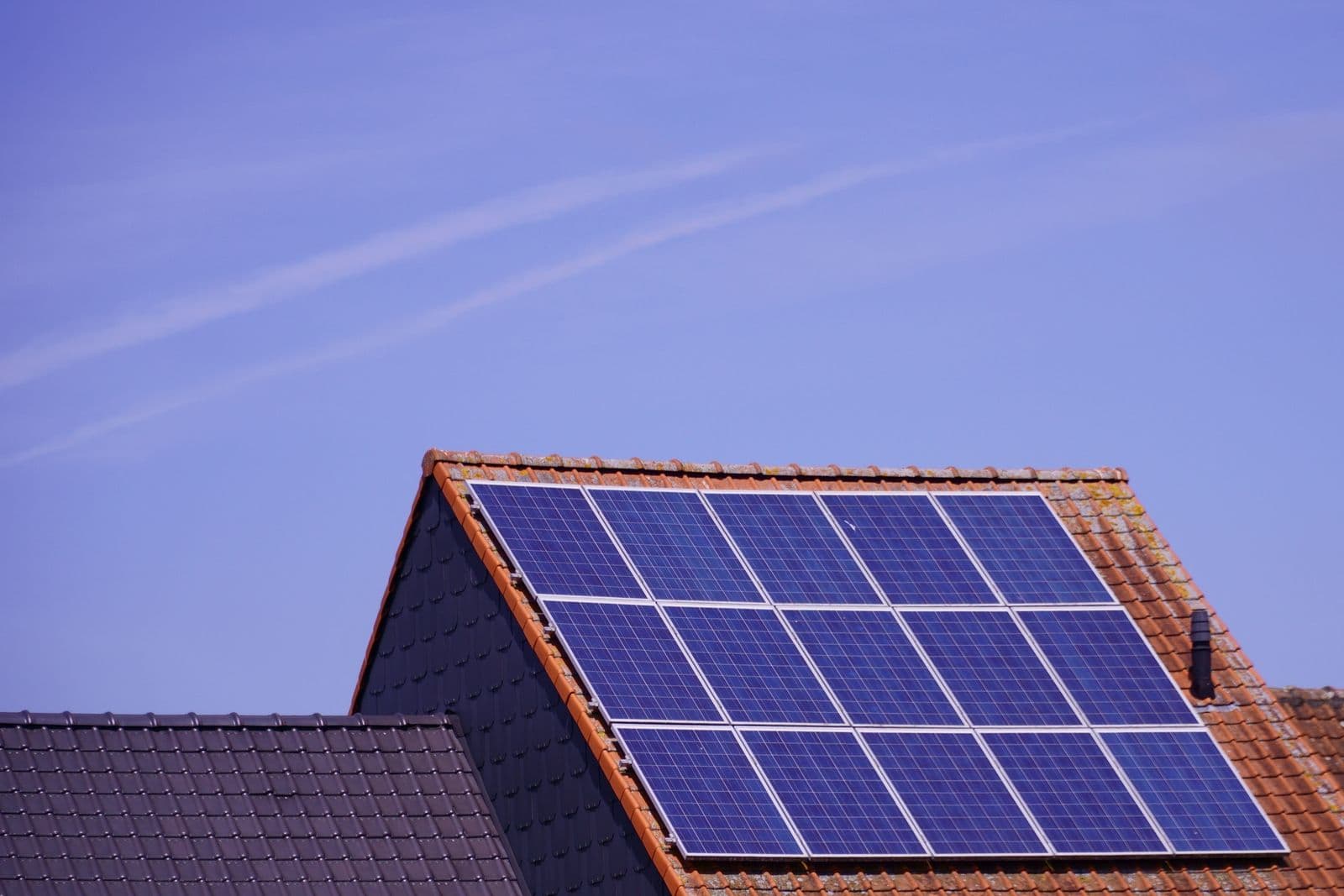
Panels get weaker with age, and that is expected. A performance warranty promises a floor, not a fixed output. Here is how to read the curve on your datasheet and work out whether a low reading is actually a claim.
Your solar panel serial number: where to find it and why a claim dies without it
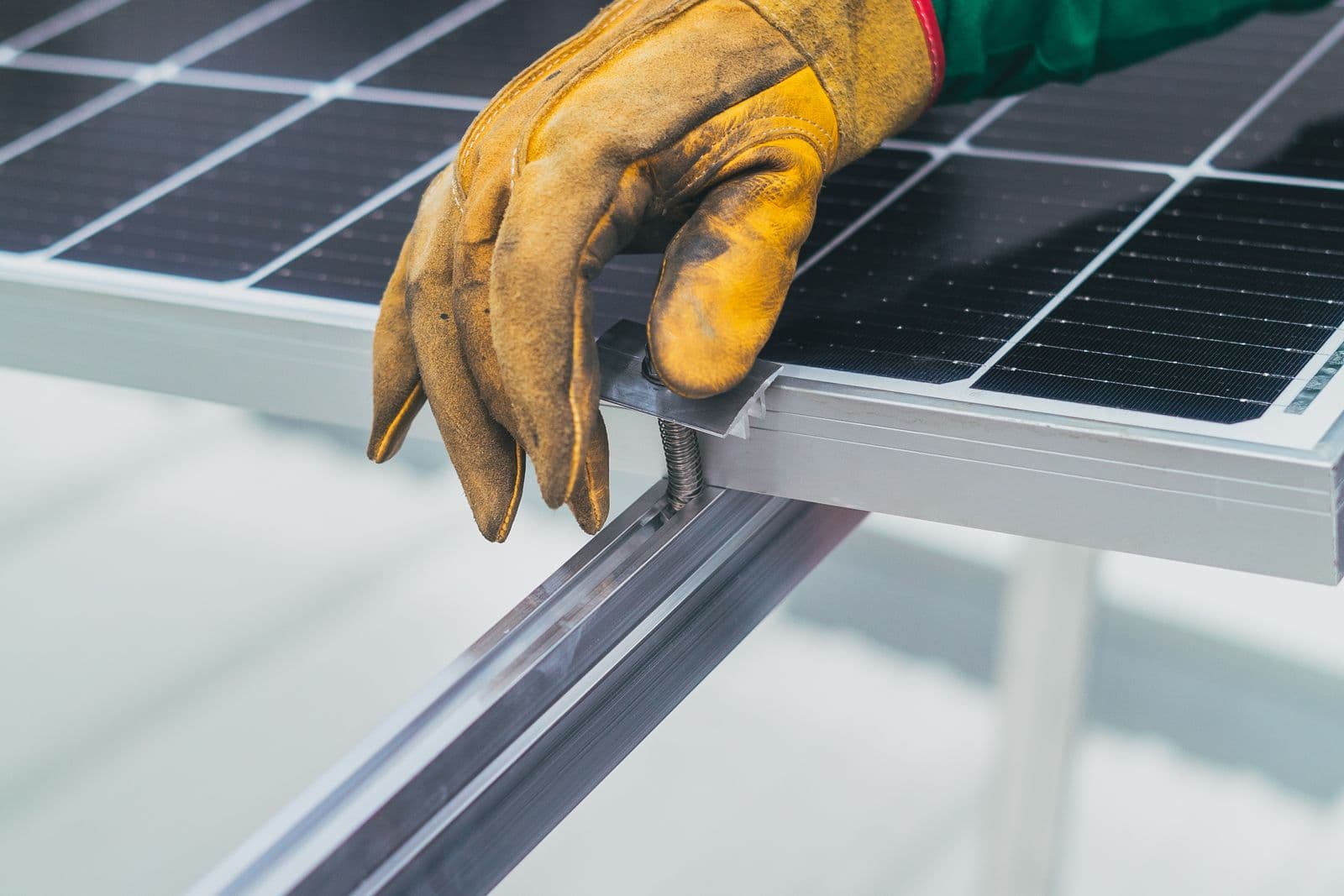
There is no public database you can type a solar serial number into. What the number does is identify your exact unit in the manufacturer's records. Here is where each one hides and what to do if the label has gone.

Solar warranty registration: who actually has to do it
Across nineteen manufacturers we have checked, registration is the installer's job on fifteen and automatic on four. On none of them is it yours. Your job is making sure it happened.
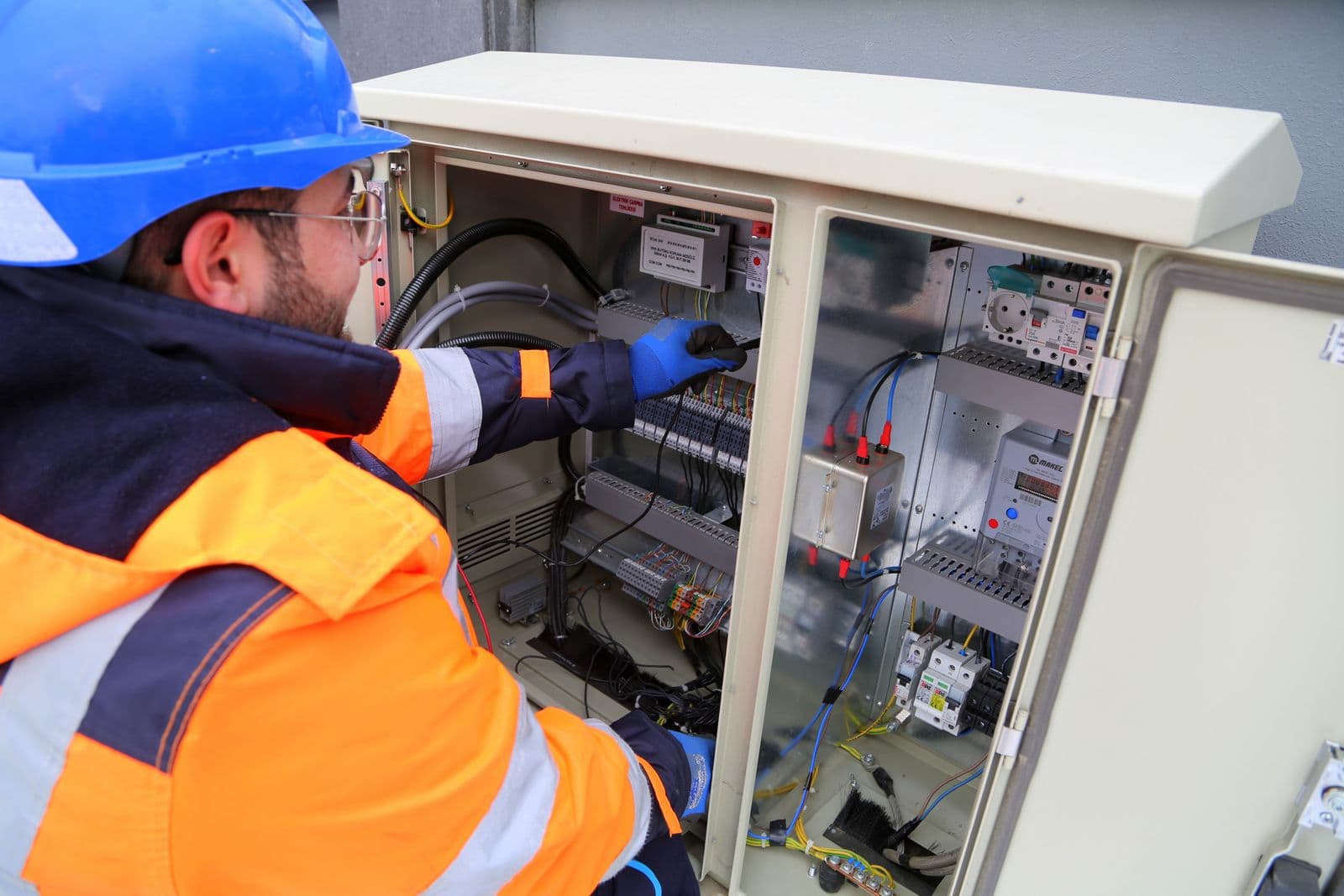
SolarEdge inverter warranty: terms, extension, and how to claim
SolarEdge inverters carry 12 years as standard with nothing to register. The only real deadline is on the paid extension to 20 or 25 years. Here is when cover starts, what it pays for, and what a claim needs.

Tesla Powerwall warranty: the 10 year term and the condition that can cut it to four
A Powerwall is registered at commissioning, so there is nothing to file. The catch is connectivity. If the unit goes offline and stays offline after Tesla asks, the 10 year warranty ends at 48 months.
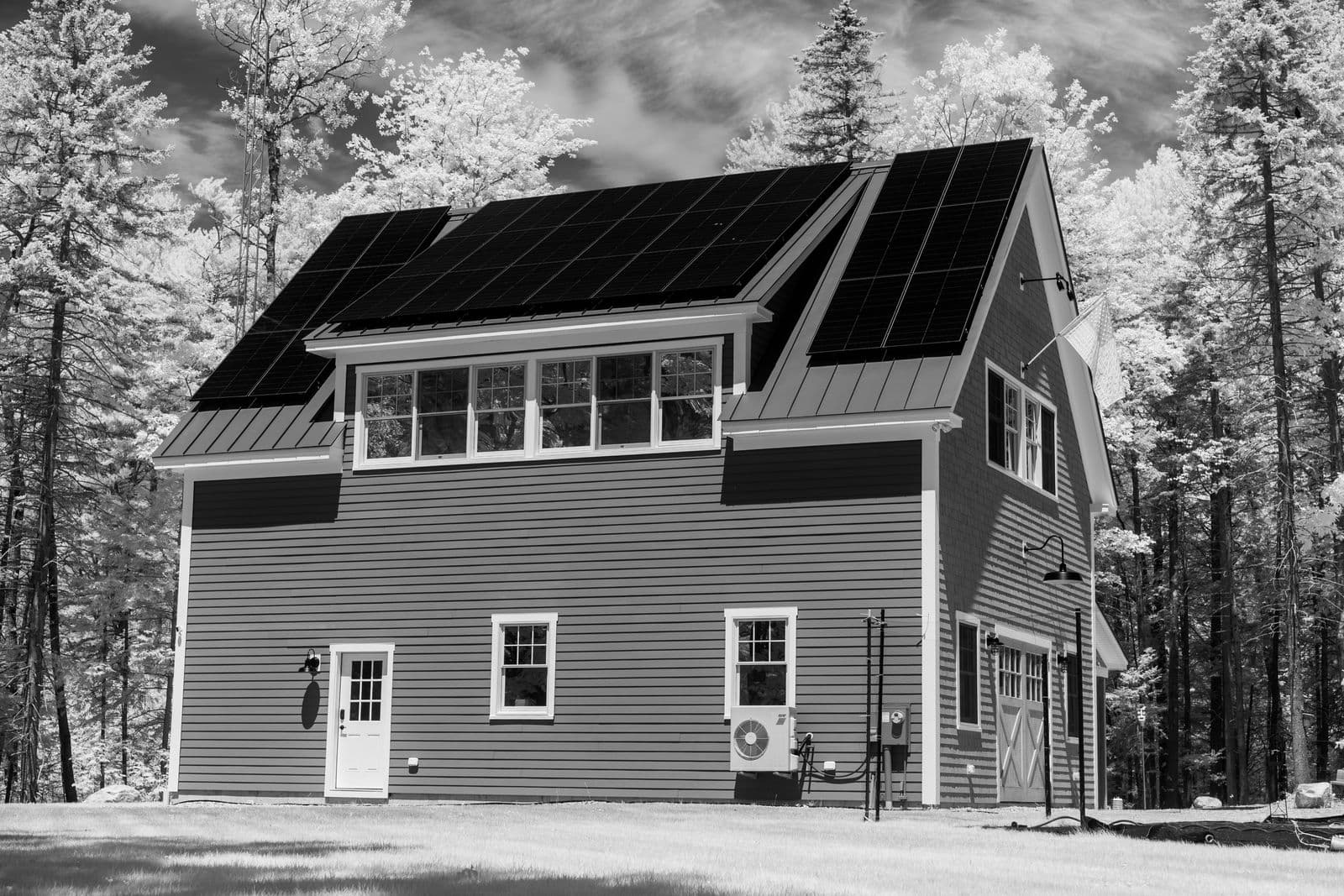
Tesla solar panel warranty, and what is covered when the installer is gone
The Tesla warranty this site has verified is the Powerwall one, and it is a battery warranty. Here is what it actually says, why panels are a separate document, and how to work out who owes you what.

What is the 33% rule for solar panels?
It appears in People Also Ask and in a lot of AI answers. It does not appear in any manufacturer warranty document we have read. Here is what people are usually reaching for, and the numbers that actually decide a solar claim.
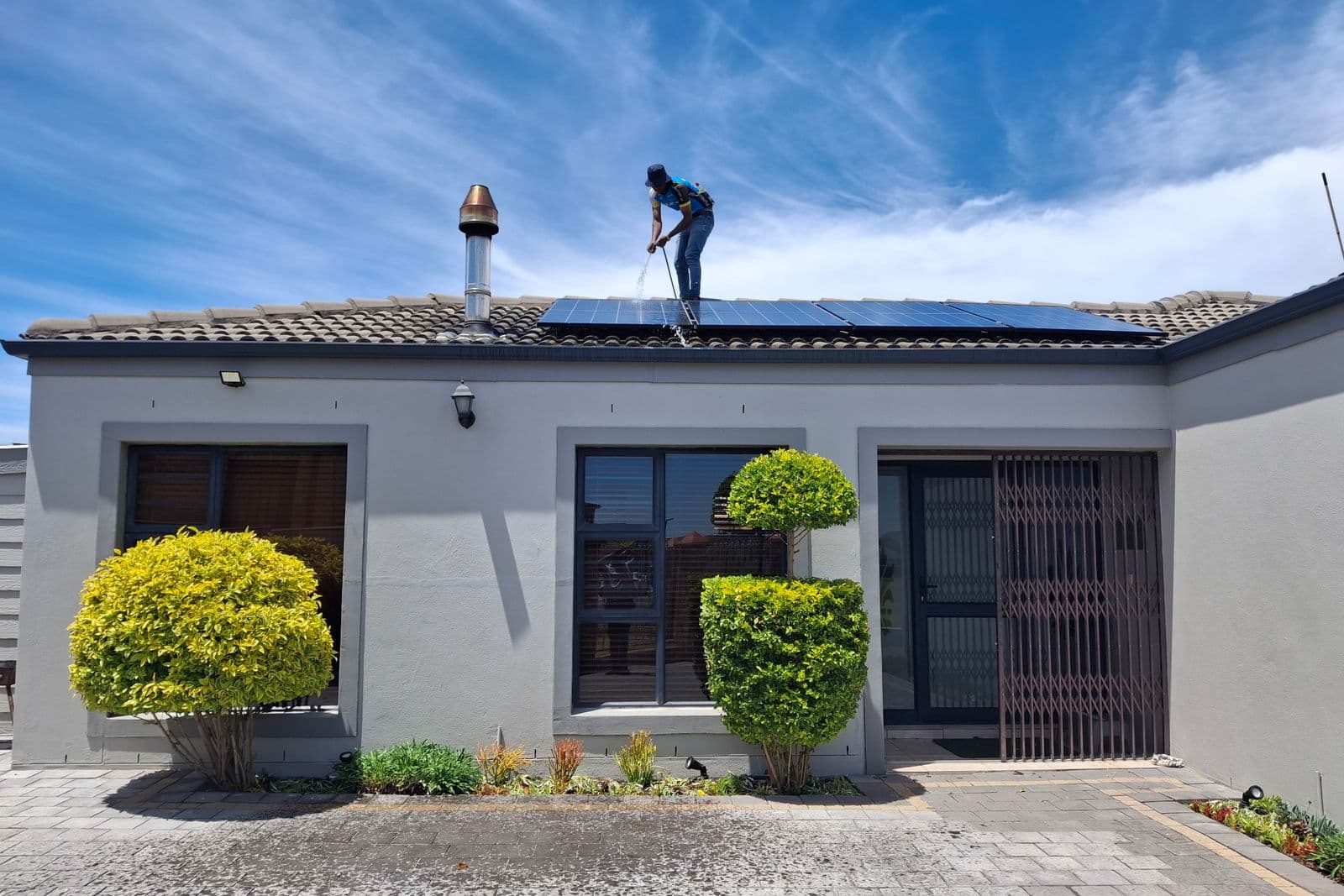
Your solar installer went out of business. What happens to the warranty?
One of your three solar warranties dies with the installer. The other two do not. Here is which is which, what you can still claim, and what it will cost you to claim it.
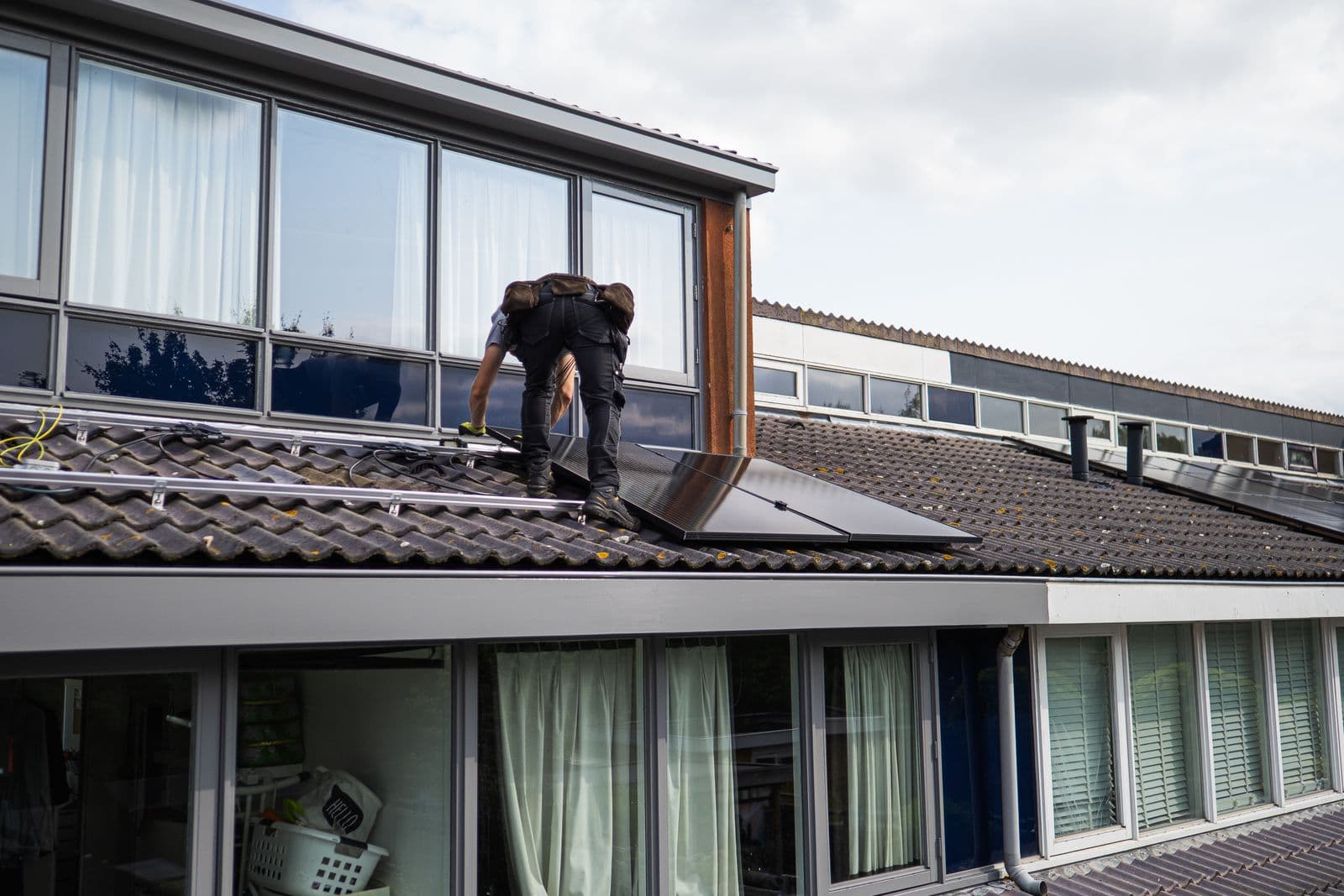
What to keep so a solar warranty claim actually gets paid
Most denied solar warranty claims are not denied because the fault is not covered. They are denied because nobody can prove the serial, the install date, or that the gear was registered. Here is the short list.
For installers
Registration, claims, labour reimbursement and what the paperwork has to prove.

How to build a warranty claim pack a manufacturer accepts first time
A claim pack is five documents assembled in the right order, most of them captured at install rather than at failure. Here is what goes in one, what each brand adds on top, and how to send it so it does not stall.
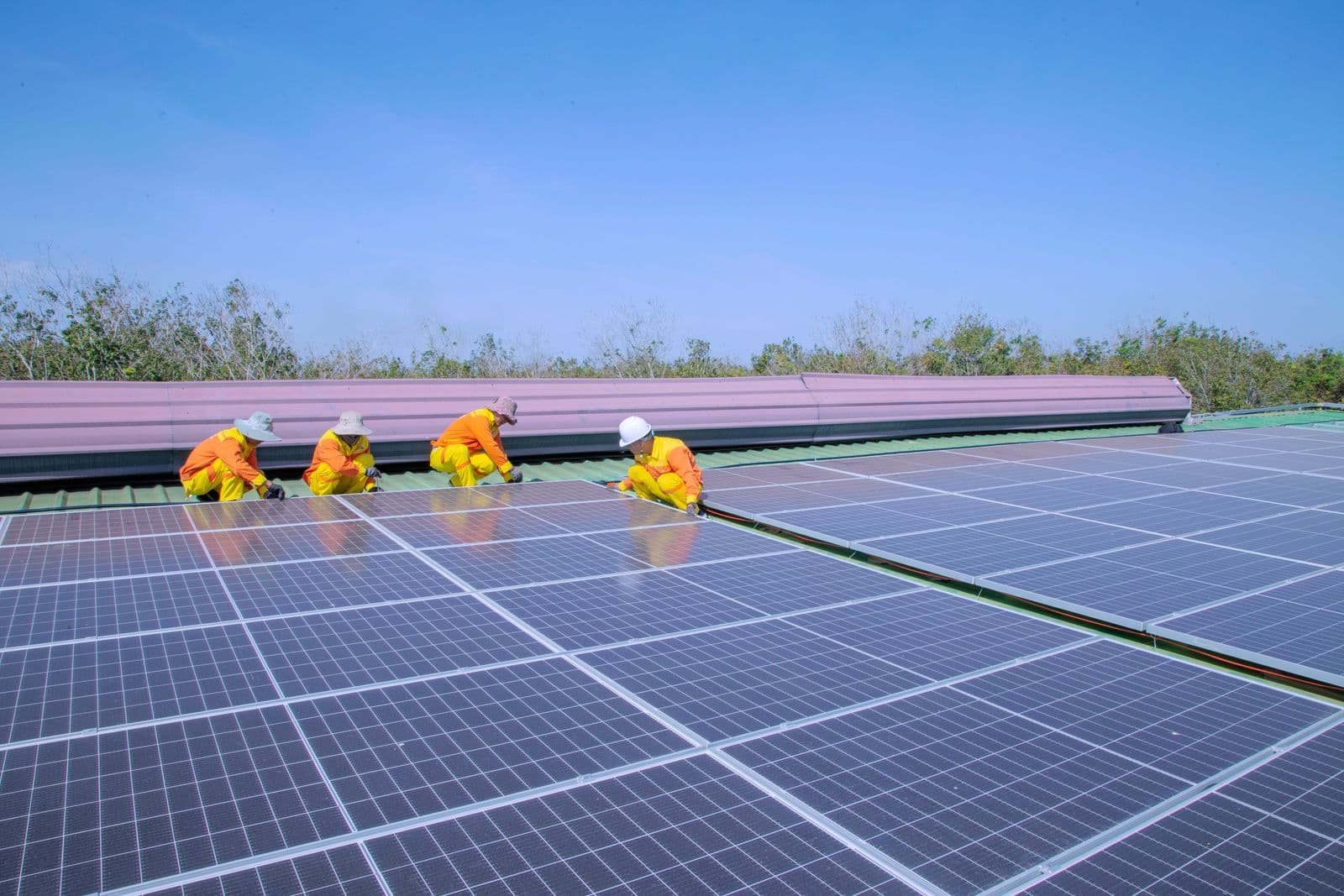
Is the Enphase Labor Protection Program worth buying?
Enphase reimburses $200 per truck roll plus $25 per replaced microinverter in the United States, and the paid Labor Protection Program extends labour cover to five or ten years from activation. Whether that pays is arithmetic you run with your own visit cost.
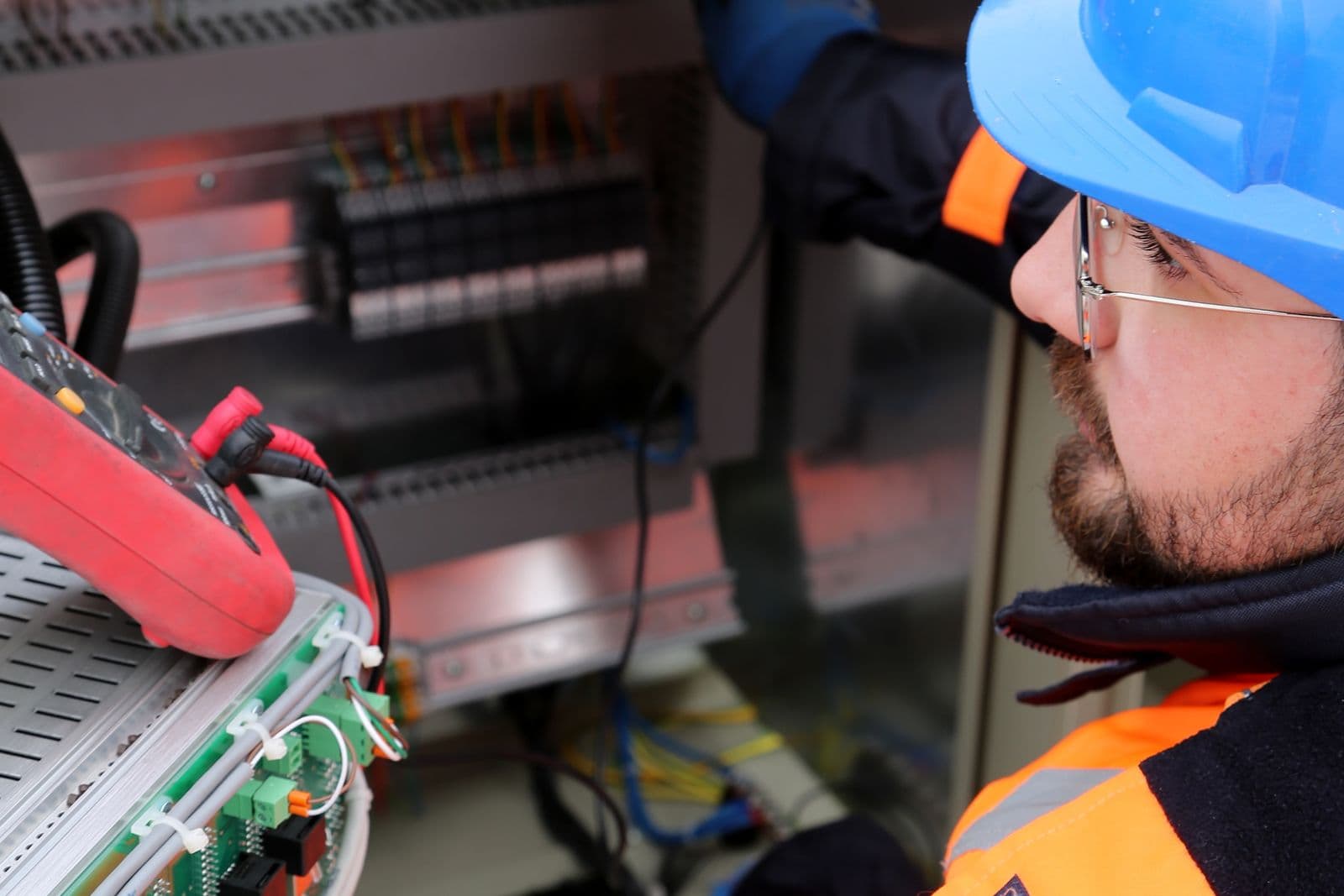
GoodWe's ten year warranty is five unless the inverter stays on SEMS
GoodWe has no registration deadline. What it has is a condition: the inverter must be connected to the SEMS portal and uploading generation data. Miss it and the term is five years instead of ten, and nobody tells you.
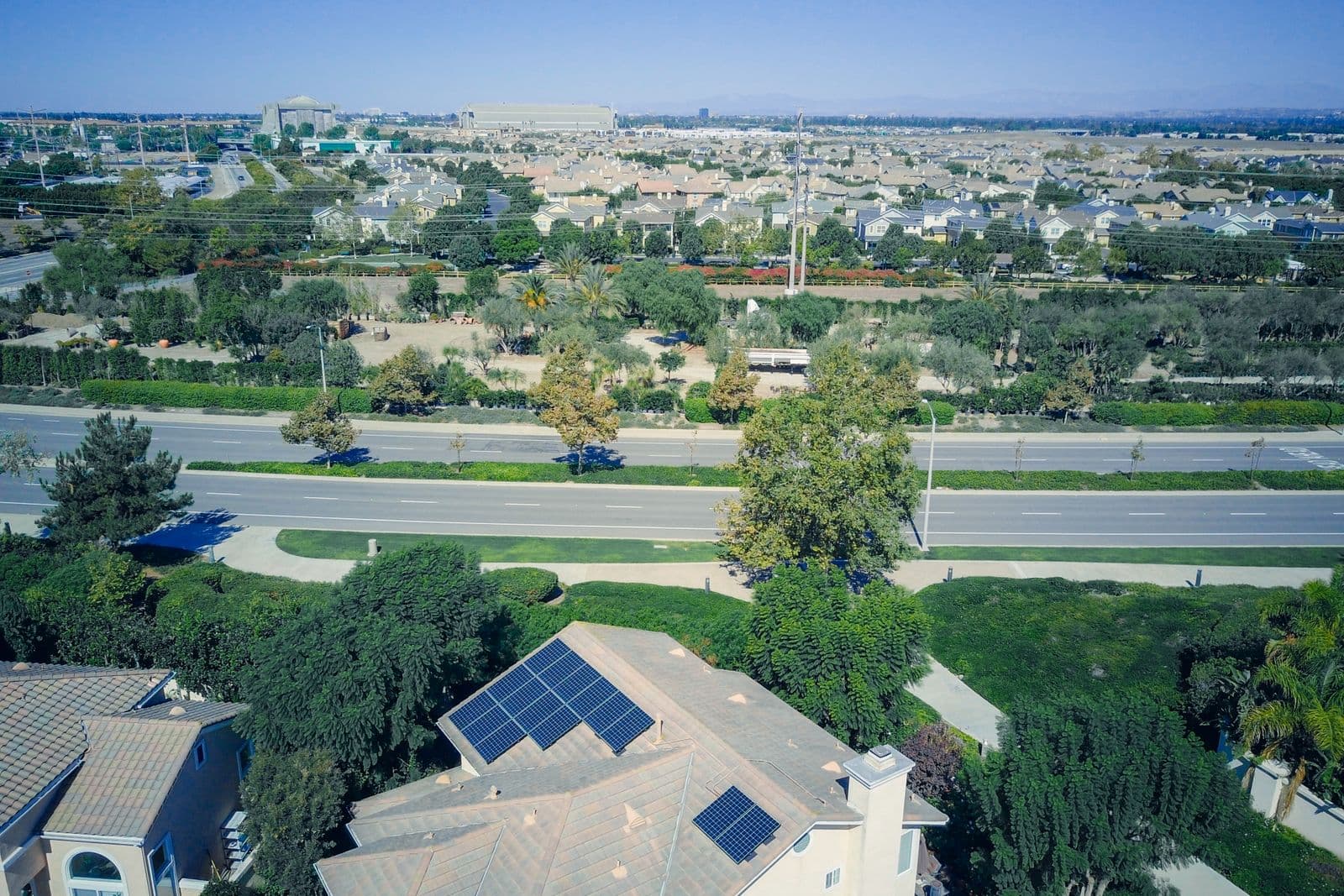
Taking on orphaned solar customers when another installer closes
When a solar company closes, its customers keep their manufacturer warranties and lose their workmanship cover. That is a service pipeline, but only if you check which manufacturer conditions are still intact before you take the job.
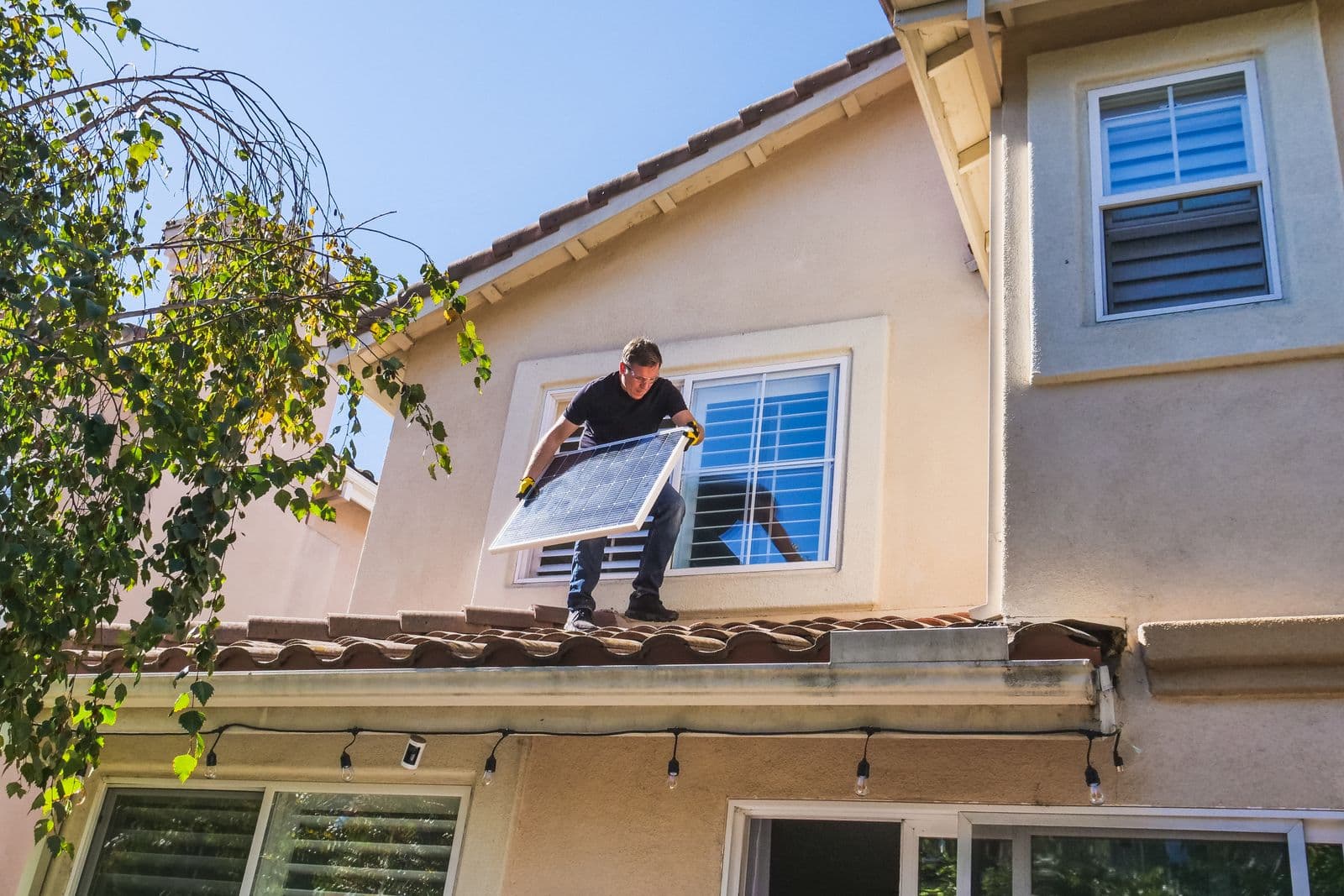
Silfab's 180 day window is the most expensive deadline in US residential solar
Silfab's product warranty is 12 years from delivery, or 25 years if the install is registered through Silfab's portal within 180 days of purchase. Performance runs 30 years either way. Missing the window costs 13 years of product cover.

Which solar brands pay for labour, and which leave you the truck roll
Most residential solar brands cover parts for a decade or more and labour for nothing. Here is the labour position line by line across the catalogue, including Enphase's US reimbursement of $200 per truck roll plus $25 per microinverter.
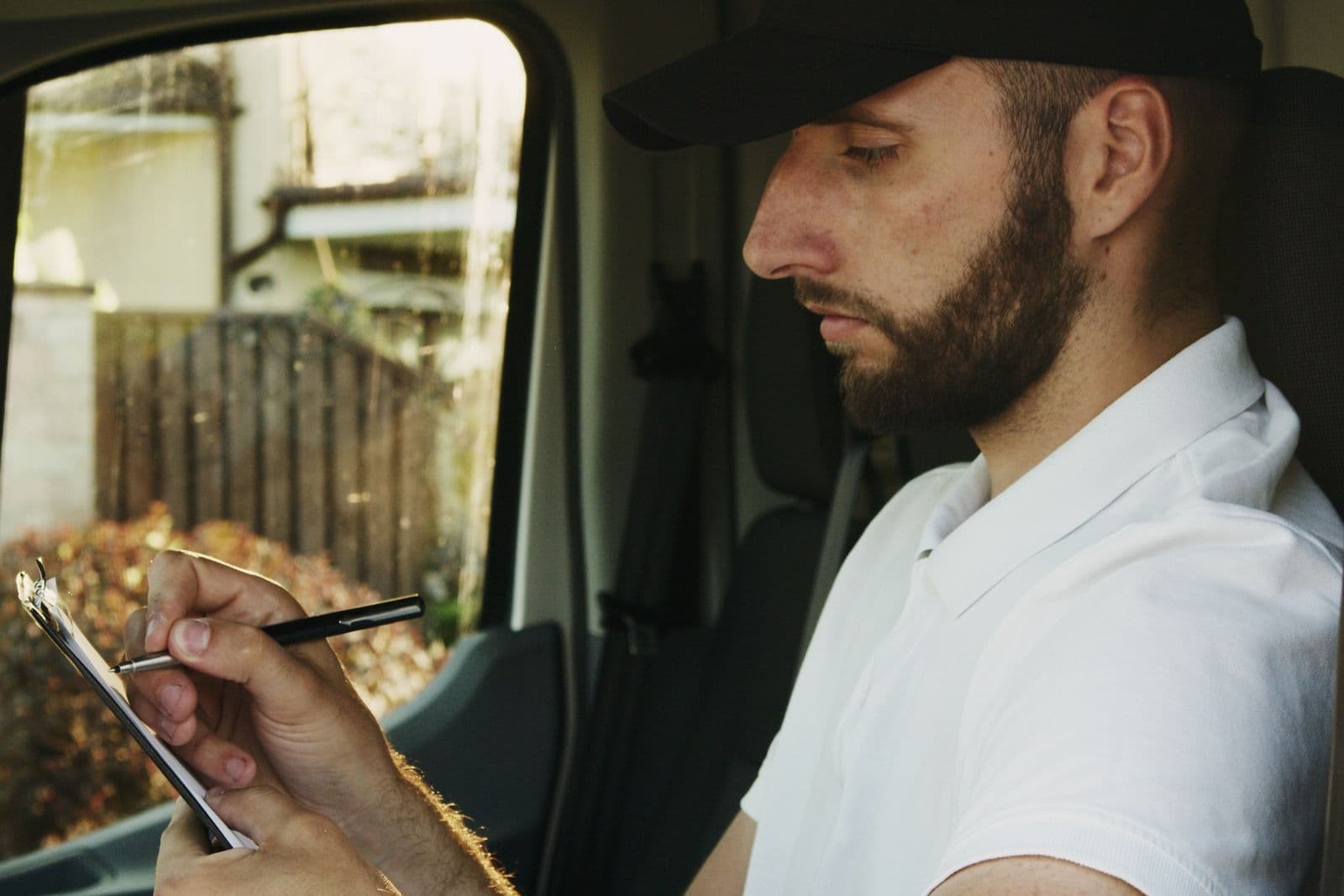
Installer, customer, auto: the three registration routes and how each one fails
Solar warranty registration happens one of three ways: you do it, the homeowner does it, or a commissioning app does it. Each route fails differently, and the automatic one fails most quietly.

A warranty registration SOP for a three truck solar company
A written procedure you can adopt this week: what the technician captures on site, what the office does within 48 hours, what gets said at handover, and the monthly sweep that catches conditions after they break.

The SolarEdge warranty extension: how it works and when to sell it
SolarEdge inverters carry 12 years as standard with nothing to register. The extension to 20 or 25 years has to be bought within 24 months of shipment, which makes it the only clock on the brand and a conversation that belongs at handover.
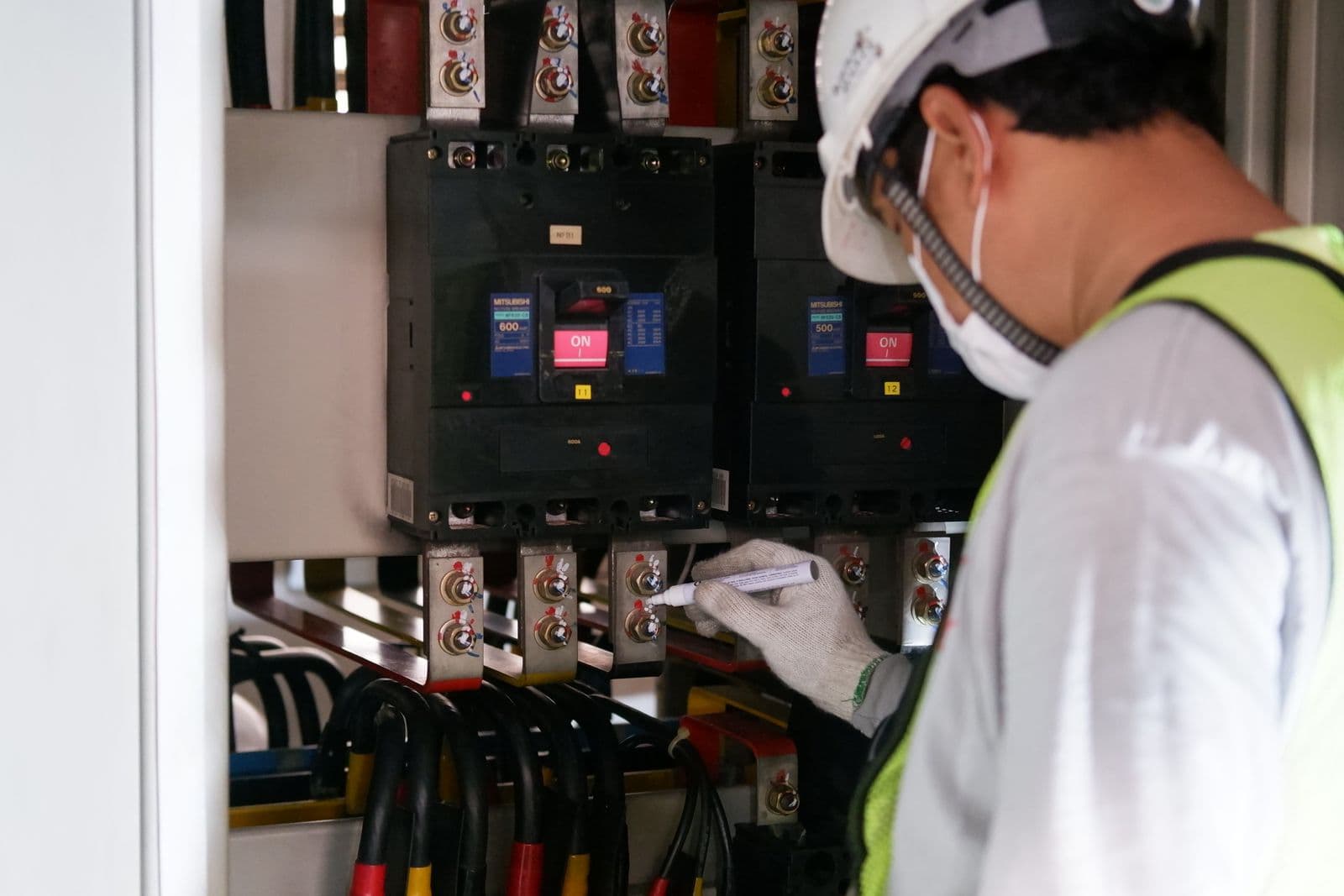
Tesla Powerwall connectivity is a warranty condition. What that means for your service desk
A Powerwall that goes offline and stays offline can drop from ten years of cover to 48 months. Nobody sends your office a warning. Here is how to build a service desk that catches it.
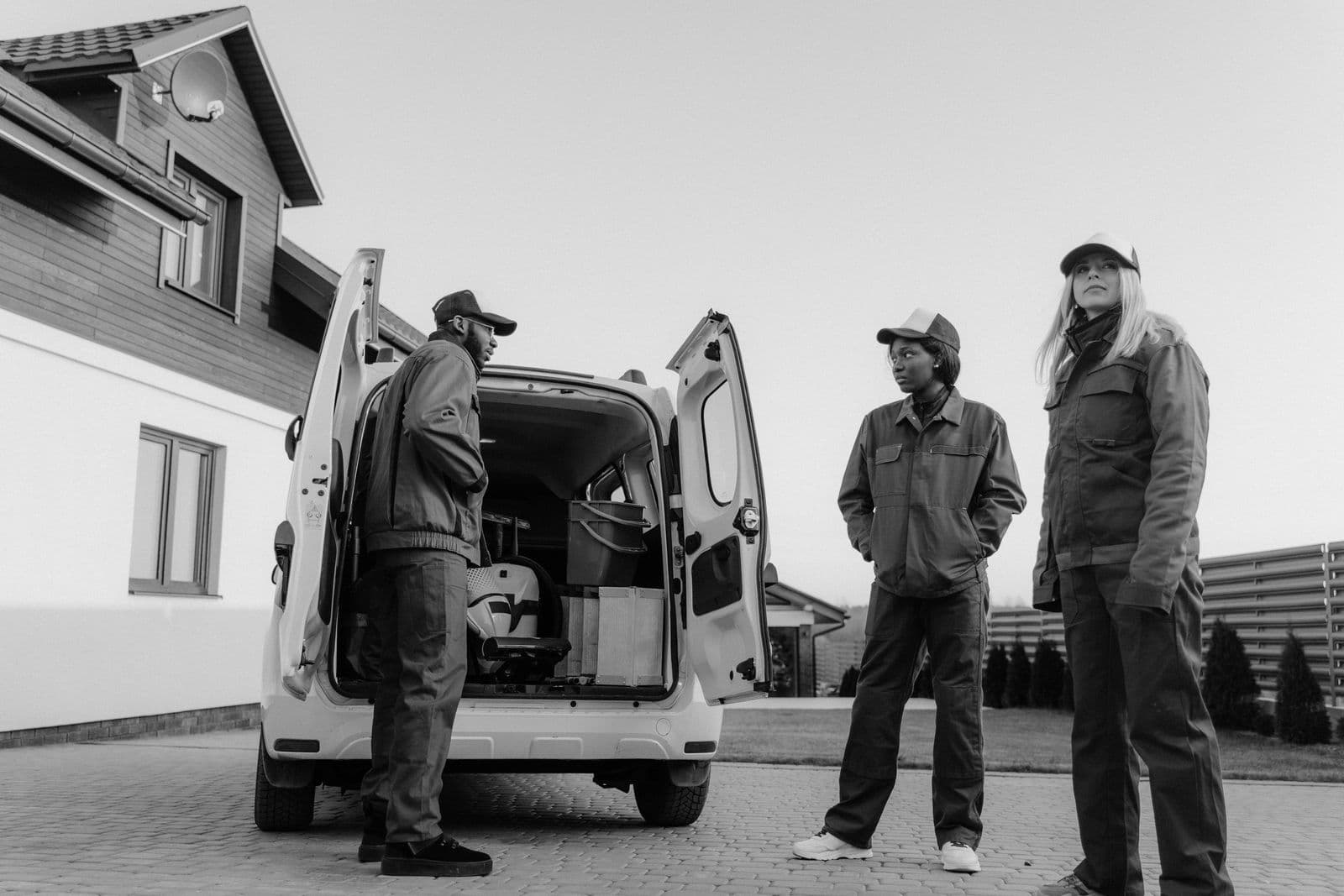
What a truck roll actually costs a solar installer, and how to work out yours
There is no industry average truck roll cost that applies to your business. There is only your number, built from your own labour rate, drive time and overhead. Here is how to build it, and what the manufacturers pay back against it.
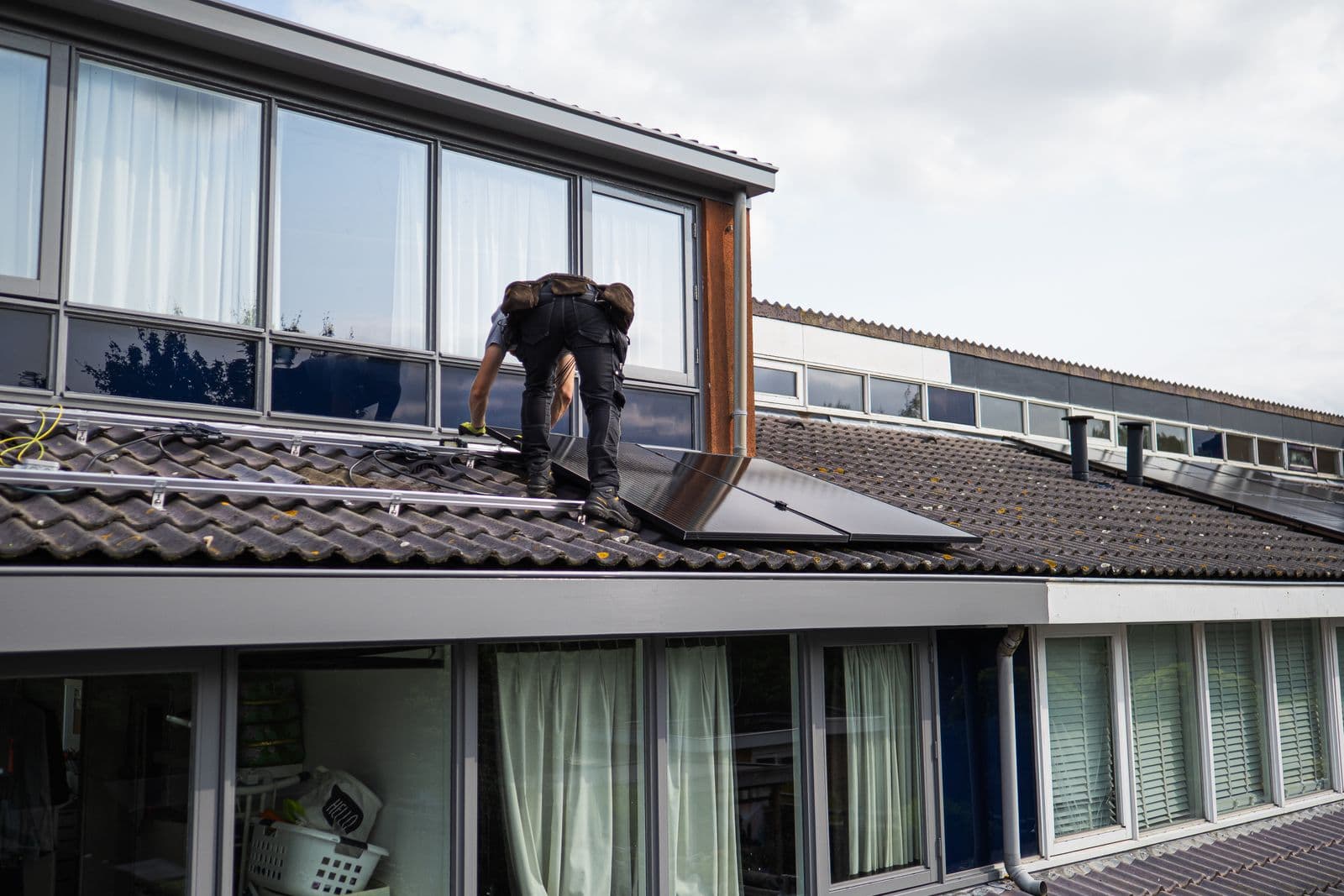
Solar warranties are conditions, not deadlines, and that is why they get missed
Almost no residential solar brand runs a registration countdown. What they run instead are conditions: things that have to be true for the long term to hold. Conditions have no expiry date, no reminder and no notification when they break.

Warranty recovery as a line item: the money a small solar shop leaves on the table
Most solar companies cannot say what warranty work cost them last quarter or what came back. Here is the arithmetic structure, with your own numbers in it, and the four places recovery leaks.

What warranty tracking needs that job management software does not do
Scheduling and field service tools are built around the job and the calendar. Warranty tracking is built around one piece of equipment and the next twenty five years. Here is the difference, stated plainly and without a feature war.

Why solar warranty claims get denied, and the evidence that would have saved them
Denied solar warranty claims are rarely denied on the fault. They are denied on the record: an unreadable serial, a missing install date, a fault with no reported date, a part already in the van. Five pieces of evidence prevent almost all of it.
What to keep so a solar warranty claim actually gets paid
Most denied solar warranty claims are not denied because the fault is not covered. They are denied because nobody can prove the serial, the install date, or that the gear was registered. Here is the short list.