
Solar panel maintenance: what actually needs doing
Most solar maintenance advice is about cleaning glass. The maintenance that actually costs you money when it is skipped is the upkeep your warranty depends on, and it happens on a router and in a filing cabinet, not on the roof.
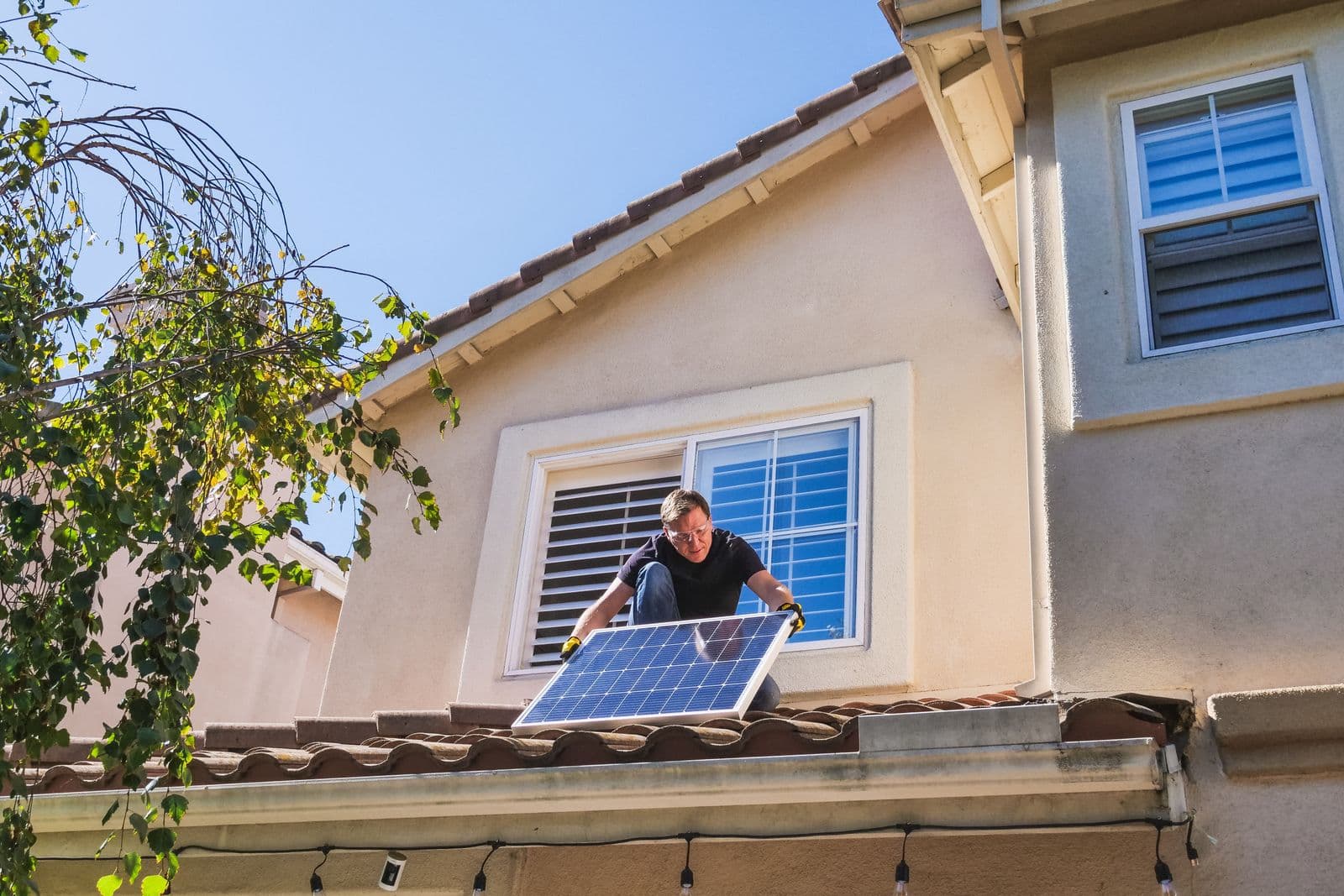
Photo: Pexels
Solar panels need very little maintenance. That part of the sales pitch is true. What is missing from it is that several of the warranties behind your system have conditions attached, and those conditions need maintaining whether or not anyone ever touches the glass.
GoodWe's 10 year inverter term holds only while the inverter is connected to the SEMS portal and uploading data. Tesla's 10 year Powerwall term needs the unit to stay online. REC's ProTrust cover exists only if a certified installer registered the install. Jinko will want the warranty certificate plus two invoices before it looks at a claim. None of that is on any maintenance checklist you will be handed at handover, and all of it is worth more than a clean panel.
The maintenance nobody tells you about: keeping the warranty alive
Do these and you have done the part that can cost you a five figure claim.
Keep the monitoring connected. This is a real maintenance task with a real consequence on two brands we have read.
- GoodWe: the 10 year term is conditional on the inverter being connected to the SEMS portal with generation data uploading, and on a hybrid running a Lynx battery both serials being registered. Miss either and the term is five years. There is no notification when it happens. A new router or a changed wifi password in year two is discovered in year seven, by which point nothing can be done. The GoodWe SEMS trap has the detail.
- Tesla: the Powerwall's 10 year term needs ongoing internet connectivity. If the connection drops and is not restored within 45 days of Tesla's written request, cover ends at 48 months instead of ten years. Powerwall connectivity as a warranty condition explains what to watch.
Practically: after any router change, broadband switch or extended power cut, open the app and confirm the system is reporting. That is the single highest value maintenance action available to a solar owner and it takes thirty seconds.
Keep the paperwork, permanently. On several brands the paperwork is the warranty.
- Jinko: a claim wants the warranty certificate plus the purchase and installation invoices.
- Trina: the invoice and the install date are the whole claim file.
- Q CELLS: the terms we could read run the period from the end customer invoice date, so the invoice sets the start.
- BYD: without written proof of delivery, the 10 years runs from six months after production instead of delivery plus 30 days, and claims want product, module and inverter serials.
- FranklinWH: the 15 year term on aPower 2 and aPower S starts at installation or 12 months after manufacture, whichever comes first, so the delivery and install dates decide how much cover you actually have.
Scan them. Put them in cloud storage and email a copy to yourself. You are being asked to hold documents for 25 years, and a shoebox in the garage is not a 25 year plan. What to keep so a claim gets paid is the full list, and reading a solar panel serial number covers capturing the serials before anyone is on a roof looking for them.
Confirm the registrations that were supposed to happen. Some cover only exists if somebody filed something, and you are the only person with an interest in checking.
- REC: ProTrust applies only where an REC Certified Solar Professional installed the system and registered it in ProPortal or the SunSnap app. No published deadline, which is exactly how it gets forgotten forever.
- Silfab: the product warranty is 12 years from delivery and becomes 25 only if the installation, site and product details were registered through Silfab's portal within 180 days of purchase.
- Enphase: the 25 year IQ8 term applies from Enlighten activation, so the thing to verify is that activation happened.
- Fronius: the free 10 year Warranty Plus depends on registration in Solar.web within 30 months of delivery ex works, and registering also moves the start of cover from delivery to commissioning.
If your system is new, ask your installer in writing for confirmation that these were done. If your system is old, the warranty deadline calculator will tell you what should have happened and by when.
The physical maintenance that is worth doing
Watch the production, not the panels. The monitoring app is your maintenance tool. What you are looking for is not a low number on a cloudy day, it is a change in shape: a string that stopped reporting, one panel behaving differently from its neighbours on a microinverter system, a month that looks unlike the same month last year. Comparing July to July is meaningful. Comparing July to April tells you about the season.
Look at the array from the ground, twice a year. Binoculars, no ladder. You are looking for visible cracks, discoloration, lifting or delamination, a bird nest under the array, a cable hanging where it should be clipped, or corrosion at the frames. Anything you find is a phone call, not a job you do.
Watch the trees. Shade that did not exist at install develops over a decade and shows up as a loss at the same time every day. Trimming is cheaper than any of the alternatives.
Keep the inverter area clear and ventilated. It is the component with a 10 or 12 year term and heat is its enemy. Do not stack boxes against it in the garage.
Clean, when it needs it. Which is less often than the people selling cleaning imply, and more often than never.
Get a periodic electrical check by a licensed person. Isolators, connectors, clips and earthing degrade invisibly from the ground, and that is a safety matter rather than only a production one.

Cleaning: when it is actually worth doing
Rain does most of the work on most roofs at most pitches. The cases where cleaning earns its cost are specific:
- Bird mess, which blocks a cell completely rather than dimming it evenly
- Salt film near the coast
- Agricultural dust, pollen, or construction dust from a neighbouring site
- Ash after a fire season
- A very low pitch array, where water sits and dries rather than running off
- Lichen or moss creeping up from the frame edges
The way to decide is not a schedule, it is the production data. If output has drifted down across the whole array and recovers after rain, dirt was the cause and cleaning will pay. If it has dropped on one string and rain changes nothing, cleaning is not your problem and you are looking at an electrical fault. That distinction is worth making before you book anyone.
Two cautions. Nothing abrasive, no pressure washer setting that could drive water past a seal, and never cold water on hot glass. And stay off the roof: walking on modules is a good way to turn a working array into a set of micro cracks, and that damage is not a manufacturing defect, so it is not a product warranty claim. Product, performance and workmanship warranty explains where damage lands.
Solar panel maintenance cost: how to work out your number
We do not publish dollar ranges here. Rates for licensed electrical work, call out charges and access equipment vary enormously by country, state and how far you are from the nearest service company, and a made up "national average" would be worse than useless when you are holding an actual quote. What we can give you is the shape of the bill, so you can build your own number and see whether a quote has left something out.
A service visit is made of five things:
The trip. Getting a van and a person to your address. It is a fixed cost that does not care how quick the job is, and if you are rural it is a bigger share of the bill than you expect. It is also why a diagnosis visit and a repair visit on separate days cost meaningfully more than one visit that does both.
Time on site. Hours multiplied by the rate for the trade doing the work. Electrical work on a grid connected system is licensed work at a licensed rate. Cleaning is not.
Access. A single storey tiled roof at a gentle pitch is one job. Two storeys, steep pitch, tile that cracks when you look at it, or anything needing a scaffold, an anchor point or an elevated work platform is a different job with a different number.
Testing and reporting. If you want a written condition report or test results you can send to a manufacturer, that is time and it goes on the bill. It is also worth paying for, because it is the difference between a claim and an anecdote.
Parts and consumables. Connectors, clips, an isolator, a breaker.
So your arithmetic is:
trip charge
+ (hours on site x hourly rate)
+ access equipment
+ testing and reporting
+ parts
= the visit
Put your own local rates into that and you have a number you can defend. The truck roll cost tool does the same arithmetic from the service company's side, which is the fastest way to see why a call out costs what it costs, and to see how little of it any manufacturer reimburses.
Two things to build into an annual budget rather than being surprised by:
- An inverter replacement inside the life of the array. Inverter terms in our catalogue run 10 to 12 years against 25 to 30 on panels, so at least one replacement is a planning assumption rather than a risk. See how long do solar panels last and solar inverter replacement cost.
- Labour on warranty claims. Almost every brand in our catalogue carries zero months of labour cover. The part arrives free and the visit is yours.
Solar panel cleaning cost: the same exercise, fewer variables
Cleaning is quoted one of two ways and both are easy to build yourself.
per panel rate x number of panels
+ access equipment
+ travel
= the clean
or
hours x hourly rate + access + travel
The drivers that move it, in roughly the order they matter:
- Storeys and pitch. Ground level or single storey with a walkable pitch is the cheap case. Everything else needs equipment or a harness.
- Access equipment. A scaffold or an elevated work platform can cost more than the cleaning.
- Panel count. The obvious one, and the least important on a small residential array, because the setup dominates.
- Travel. Same fixed trip cost as any other visit.
- Condition. Bird mess and lichen are slow work. Dust is fast.
- Water access. Some operators need a tap and a purified water setup on site.
- Frequency. An annual contract usually prices differently from a one off.
Ask any quote to state the access method and whether anyone will be walking on the modules. The answer should be no.
Battery maintenance
Batteries have their own version of all this, and it is mostly software and paperwork.
Tesla is the sharpest example, because connectivity is a live condition for the whole decade. FranklinWH carries 15 years on aPower 2 and aPower S with 70 percent capacity retention at term end, and its trap is the start date: the clock runs from installation or 12 months after manufacture, whichever is earlier. Alpha ESS gives 5 years standard with 10 on battery performance, and the 10 year extended cover is a paid extension that has to be bought within 30 days of installation, which makes it a handover decision.
Physically, keep the unit's ventilation clear, keep the area dry, and do not treat a firmware update prompt as optional. Every battery brand in the catalogue is on the battery warranty page.
What a good annual service actually includes
If you are paying someone for an annual service, this is what should be on the report:
- Visual inspection of modules, frames, mounting and flashing
- DC and AC isolator condition and operation
- Connector and cable management check, including anything UV exposed
- Earthing and bonding check
- Inverter fault log review, not just "it was on"
- String or per panel output compared against the last visit
- Confirmation the monitoring is connected and reporting, which is the GoodWe and Tesla condition in disguise
- A written report with dates, readings and photographs
That last one is the item people skip and later wish they had. A dated report with readings is evidence. A verbal "all good" is not, and manufacturers do not accept anecdotes. The claim pack checklist shows what your brand will actually ask for if it ever comes to a claim.
The honest summary
Panels ask almost nothing of you. Your warranties ask three things: stay connected, keep the documents, and confirm that whatever was supposed to be registered was registered. Do those and cleaning becomes what it always should have been, a small cost decision made from your own production data rather than from a schedule somebody sold you.
If something has actually stopped working, do not start with a maintenance visit. Start with solar panel repair: check the warranty before you pay.
Checked against
- GOODWE Limited Warranty for Inverter System, Australia and New Zealand
- Tesla Powerwall Warranty, Australia and New Zealand
- Jinko Solar: warranty
- Trina Solar: support and warranty
- REC Group: warranty registration
- Silfab Solar: warranty registration
- Enphase: home solar system warranty coverage
- FranklinWH: limited warranty
- BYD Battery-Box Premium Limited Warranty, Australia V1.1
Warranty terms change and differ by country. Treat this as a starting point and check the manufacturer's current document before you rely on it.
Keep reading
Is the Enphase Labor Protection Program worth buying?
Enphase reimburses $200 per truck roll plus $25 per replaced microinverter in the United States, and the paid Labor Protection Program extends labour cover to five or ten years from activation. Whether that pays is arithmetic you run with your own visit cost.
CostsSolar inverter replacement cost, and how to check the warranty first
Before you price an inverter replacement, check whether you are actually paying for it. Most inverter warranties run 10 to 12 years, and several start earlier than your install date.
Keep the serial, the photo and the date on every install
Claim Timer stores one record per piece of equipment, with the nameplate photo and the registration confirmation on it, so the claim has its proof already.