Your solar panel serial number: where to find it and why a claim dies without it
There is no public database you can type a solar serial number into. What the number does is identify your exact unit in the manufacturer's records. Here is where each one hides and what to do if the label has gone.
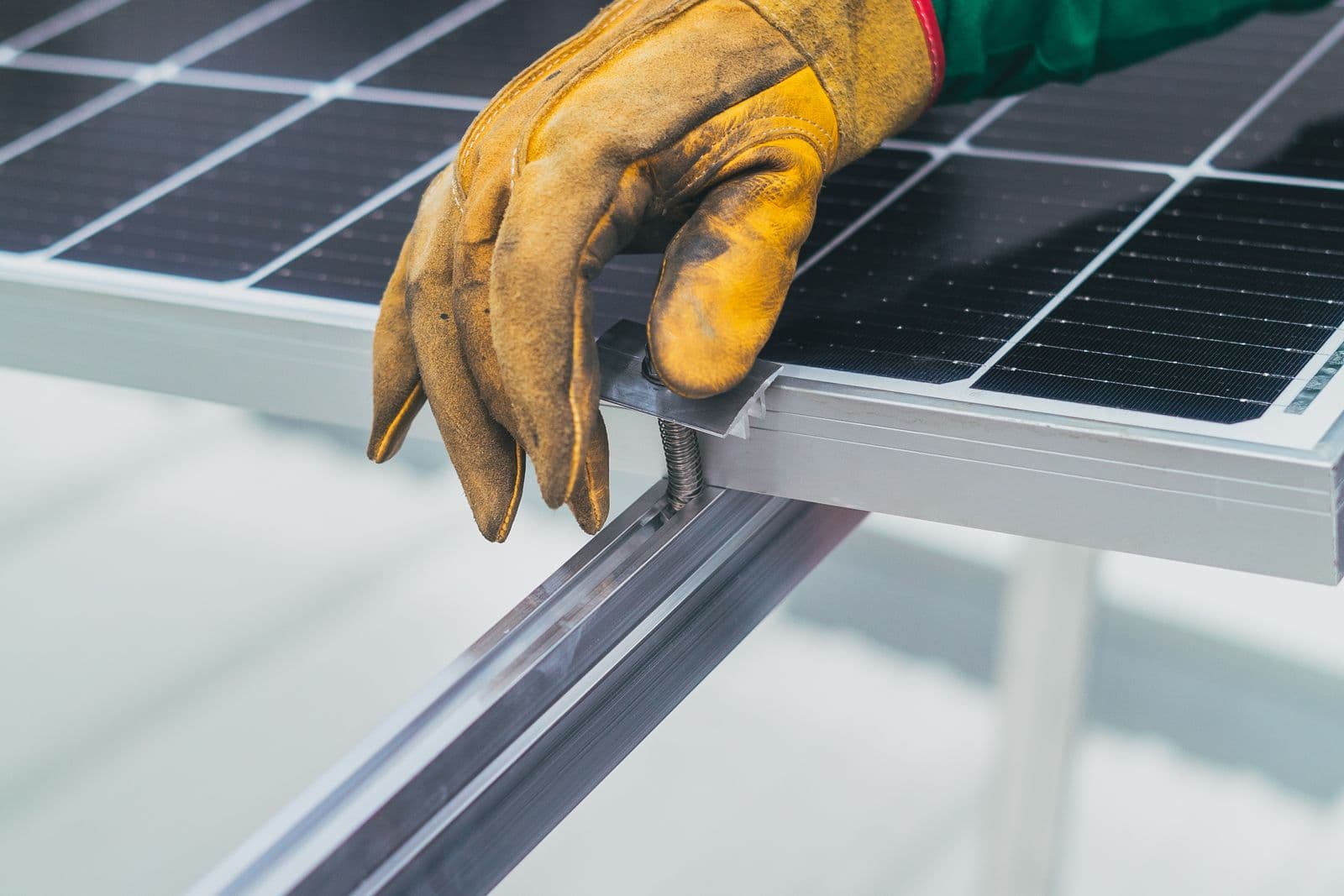
Photo: Pexels
There is no public website where you type a solar panel serial number and get a warranty status back. What the serial number does is identify your exact unit inside the manufacturer's own records, which is why every brand in this catalogue asks for it before it will look at a claim. Without it you have a story about a broken panel. With it you have a claim.
What a serial number is for
Manufacturers do not warrant "your system". They warrant a specific piece of hardware that left a specific factory on a specific date, and the serial is how they find it.
That number is what lets them confirm the model, the production batch, the specification it shipped with, and often the date it was made. On several brands the manufacture date is what starts your warranty clock, so the serial is not just an identifier. It is part of the evidence about how long your cover runs.
Every manufacturer in this catalogue lists the serial number as a required field. It is the one thing that appears on every list.
The "lookup" people are searching for
The portals we link from each brand page are registration and monitoring portals, not public lookup tools. They exist so an installer can register an install or a service company can open a case. Typing a serial into a search engine will not return a warranty.
What actually happens is this. You give the serial, the install date and proof of purchase to the manufacturer or to an accredited installer acting for you. They look it up in the manufacturer's system. That tells everybody what the unit is and when its cover started.
So the useful goal is not finding a lookup tool. It is having the number in your hand before you need it.

Where each serial number lives
Solar panels. The serial is on a label on the back of the module, and usually also printed on the frame edge. On an installed array, both of those are somewhere between awkward and impossible to reach.
The better places to look, in this order:
- Your install paperwork. Many installers list panel serials on the commissioning sheet, the electrical certificate or the as-built documentation, precisely because nobody wants to go back up for them.
- The system design drawing or the quote, which names at least the model.
- Photographs taken during the install. Ask your installer if they still have them, or check any handover pack you were sent.
- Any monitoring platform that identifies per-panel hardware, which applies if you have microinverters or optimisers.
Inverters. This is the easy one. String inverters carry a label on the side or the base of the unit with the model and serial. They are almost always mounted at a height you can photograph from the ground or from standing.
Microinverters. They are under the panels, which sounds hopeless, but with Enphase the microinverter serials are in the Enlighten account for your system. If your system was activated at commissioning, and activation is what applies the 25 year term, then your serials are already recorded there. Get access to that account.
Optimisers and monitored inverters. SolarEdge registers the install through the commissioning app, which means the hardware record already exists in the monitoring portal. Ask your installer for owner access.
Batteries. The label is on the unit, and it is usually the most reachable label on the whole system.
BYD is the one to watch. A BYD Battery-Box claim wants the product serial, the module serial and the inverter serial. That is three numbers, and the module serial means opening the enclosure. Capture all three at installation, because going back for the module serial later means a service visit for a piece of information.
Do not climb on the roof for this
Worth saying plainly. Nobody should be on a residential roof to read a sticker.
Use a zoom lens from the ground. Ask your installer. Check the paperwork. If a panel serial genuinely cannot be found any other way and a claim depends on it, pay a qualified person to get it as part of a service visit. A photograph is not worth a fall.
The serial is necessary, not sufficient
A serial on its own rarely finishes a claim. Look at what the brands actually ask for.
| Brand | What the claim file needs beyond the serial |
|---|---|
| Jinko | The warranty certificate plus the purchase and installation invoices |
| BYD | Written proof of delivery, which decides whether the term started 30 days after delivery or six months after production |
| Sungrow | Proof of the installation date, because the ten year term is measured from it |
| Q CELLS | The end customer invoice, because the terms we read run the period from the invoice date |
The pattern is the same everywhere. Serial, model, install date, proof of purchase. Those four things are the claim. Everything else is detail.
The claim checklist tool will build the exact list for a brand and part, so you can see what is missing before you ring anybody.
If the label is gone
Sun and weather eat labels. It happens. In rough order of effort:
- Check every document again. Commissioning sheets, electrical safety certificates, network connection applications and finance paperwork all sometimes carry hardware details.
- Ask the installer, if they still exist. They may have the job file, the photographs, or a record with the distributor.
- Ask the distributor. If you know who supplied the gear, the batch that went to your address may be traceable.
- Ask the manufacturer what they will accept. Some will work from a purchase invoice plus photographs of the installed hardware. It is worth the phone call before you assume the answer is no.
- Have it read during a service visit. If a technician is going up anyway, have them photograph every label while they are there.
If your installer has closed, the paperwork problem gets harder, and it is the main reason those claims fail. There is a full guide to that situation here.
The twenty minute job that prevents all of this
Do this once, today, while everything works.
- Photograph the label on the inverter and on the battery. Get the whole label in frame and in focus, not just the number.
- Find the panel model and, if the paperwork has them, the panel serials.
- Save the contract, the invoice and the install date with those photographs.
- Put the lot in cloud storage, not only on a phone. Then tell somebody else in the household where it is.
Ten years is a long time. It is longer than most people stay in a house, longer than most phones survive, and in this industry it is longer than a lot of installers last. The day you need these documents is usually the day the company that had them on file no longer exists.
While you are there, check whether the brands you own have a deadline or a live condition attached to their terms. The warranty deadline calculator answers that in about a minute, and the panel warranty pages carry the source document for each brand with the date somebody read it.
Checked against
- BYD Battery-Box Premium Limited Warranty, Australia V1.1
- Jinko Solar: warranty
- Enphase Enlighten
- Sungrow Australia: warranty registration and service
- SolarEdge Australia: warranty
- Q CELLS
Warranty terms change and differ by country. Treat this as a starting point and check the manufacturer's current document before you rely on it.
Keep reading
Solar inverter repair: claim first, pay second
Inverter warranties in our catalogue run 10 to 12 years, and several start before your install date. Work out your real expiry and check the conditions before anyone quotes you for a replacement.
ClaimsSolar panel repair: check the warranty before you pay
Most solar panel repairs are actually replacements, and a good share of them are somebody else's bill. Work out which of the three warranties your fault belongs to before you approve any quote.
Keep the serial, the photo and the date on every install
Claim Timer stores one record per piece of equipment, with the nameplate photo and the registration confirmation on it, so the claim has its proof already.