
What to keep so a solar warranty claim actually gets paid
Most denied solar warranty claims are not denied because the fault is not covered. They are denied because nobody can prove the serial, the install date, or that the gear was registered. Here is the short list.
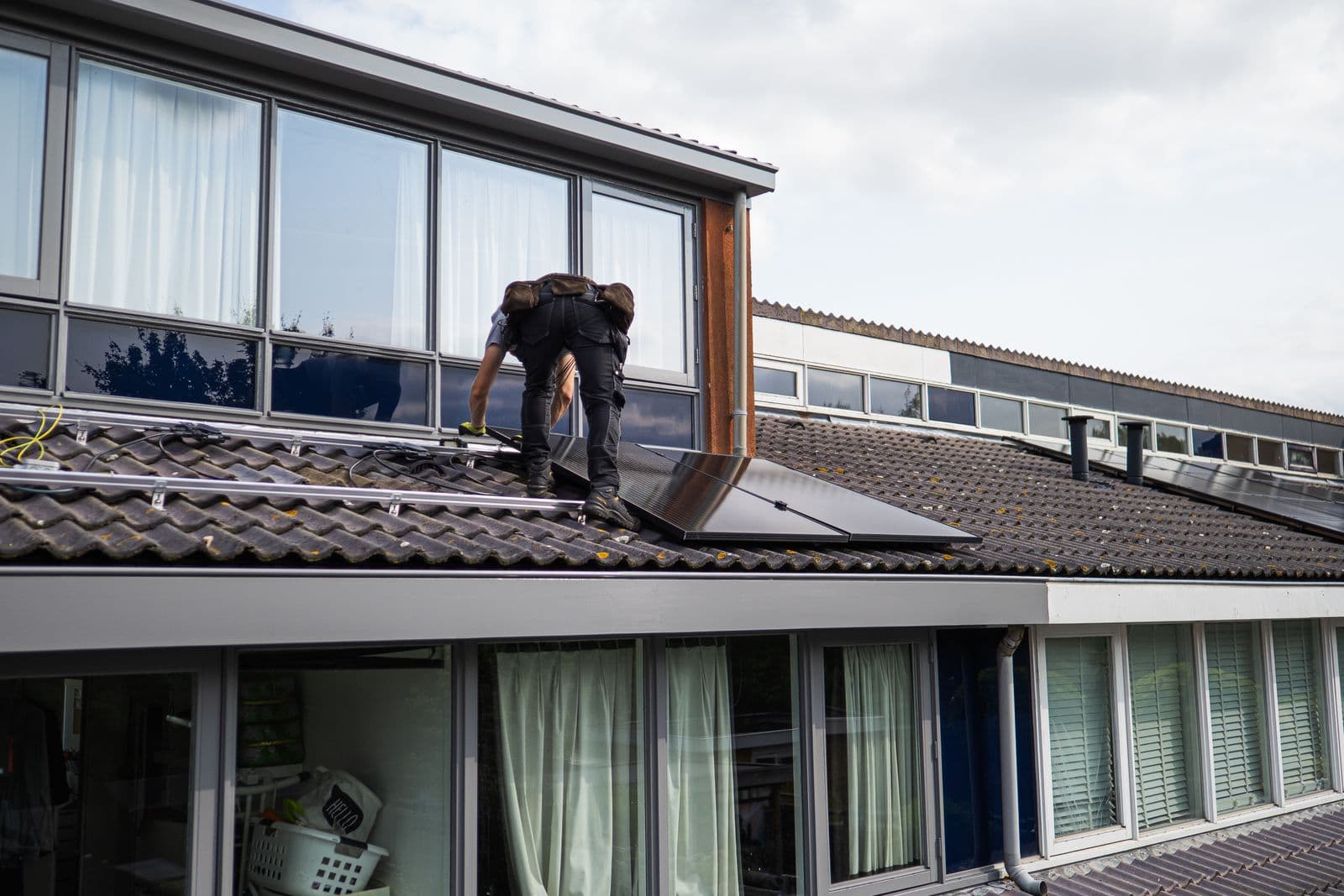
Photo: Pexels
A warranty claim is an argument you have to win with paper.
The fault is usually the easy part. An inverter that has stopped is obviously stopped. What holds claims up, and what gets them refused, is being unable to show which unit it is, when it went in, and that whatever the brand asked for at the start was actually done.
None of that can be recreated afterwards. It has to be captured on the day.
The short list
Per piece of equipment, not per job. A normal solar job has three of these.
| What | Why it matters |
|---|---|
| Serial number | The one thing that identifies the unit. Wrong serial, no claim. |
| Photo of the nameplate | Proves the serial. Settles arguments about a mistyped character. |
| Make and model | Decides which warranty terms apply. |
| Install date | Starts the clock on almost every warranty. |
| Invoice or contract | Proves who owns it. |
| Registration confirmation | Proves any condition on the long warranty was met. |
Six things. It takes about a minute per unit on the day and it is close to impossible a year later.
Why the serial is the one that ruins claims
A serial number is a long string of letters and digits, read off a sticker, often on a wall in poor light, often into a phone with one hand.
The failure modes are boring and constant. A zero read as an O. An 8 read as a B. A digit dropped from the end. Somebody copying the model number instead of the serial, because on many nameplates they sit next to each other and look alike.
The manufacturer checks that string against their records. If it does not match a unit they made, the claim stops there, and it stops eighteen months later when nobody remembers the job.
The fix is not to be more careful. It is to photograph the plate. Then the string can always be checked against the picture.

Why the install date matters more than people expect
Most warranty terms run from the installation date, not the purchase date. Sungrow's Australian terms, for example, run from the date of installation for both inverters and batteries.
Some run from something else entirely. Fronius cover starts at commissioning if the inverter was registered in Solar.web in time, and otherwise runs from when it left the factory. Those can be months apart, and the difference comes off the end of your cover.
So the install date is not admin. It is the thing that decides whether a failure in year nine is inside the term or outside it.
Registration: know which brands make it a condition
This is where the money is, and it is different for every brand.
Some brands treat registration as optional record keeping. Others make the long warranty conditional on it, and if you skipped it you are on a shorter term without ever being told.
Two examples worth knowing, both checked against the manufacturer's own Australian documents in July 2026:
- GoodWe gives ten years on many inverters only if the unit is connected to the SEMS portal with generation data uploaded, and the inverter and battery serials are registered. Otherwise it is five.
- Fronius gives a free ten year Warranty Plus for registering in Solar.web, and registering also moves the start of cover to commissioning.
And a counter example, so nobody over corrects:
- Sungrow encourages registration on inverters and batteries but does not require it, and the ten year term runs from installation either way. Their EV chargers are the exception, where the installer is asked to register within a month.
There is no general rule here. Check the brand, keep the confirmation number, and treat the confirmation number as part of the record rather than as an email you can delete.
The claim itself
When something fails, what a manufacturer generally wants is:
- Serial number of the failed unit
- Proof of purchase and the install date
- A description of the fault, with error codes if the unit shows them
- Photos, and monitoring data if the system reports it
- Site details, so they can send someone or send a part
Two habits that speed this up more than anything else. Report it promptly, because some warranty documents put a limit on how long after a fault you can raise it. GoodWe's Australian terms ask for a claim within a month of the failure. And keep a record of who you spoke to and when, because a claim that goes quiet is common and a dated log is what gets it moving again.
For installers: this is a system, not a habit
If you fit solar for a living, the six things above have to happen on every unit, on every job, whether or not the tech is running late.
Relying on people to remember does not work, because the cost of forgetting does not arrive for eighteen months and lands on somebody else. By the time a denied claim comes back, the tech who did the install may not even work there.
What works is making the capture part of the job rather than paperwork after it. Photograph the plate before you leave site. Store the serial against the job, not in a notebook. Record the registration confirmation when you get it, so the next person can see it was done.
That is the whole job, and it is the reason Claim Timer exists: one record per piece of equipment, the photo kept against it, and the registration confirmation stored where the claim can find it later.
For homeowners: do it once, keep it forever
You do not need software for this. You need a folder.
Take a photo of every equipment label you can safely reach, save your invoice and contract as PDFs, write the install date in a note, and put all of it in cloud storage. Add any registration emails your installer sends you.
Then forget about it. The day you need it, you will be very glad it is not in a drawer at a company that no longer exists.
Checked against
- Fronius Australia: inverter warranty models
- GOODWE Limited Warranty for Inverter System, Australia and New Zealand
- Sungrow Australia and New Zealand: warranty claim procedure
Warranty terms change and differ by country. Treat this as a starting point and check the manufacturer's current document before you rely on it.
Keep reading
Solar inverter repair: claim first, pay second
Inverter warranties in our catalogue run 10 to 12 years, and several start before your install date. Work out your real expiry and check the conditions before anyone quotes you for a replacement.
ClaimsSolar panel repair: check the warranty before you pay
Most solar panel repairs are actually replacements, and a good share of them are somebody else's bill. Work out which of the three warranties your fault belongs to before you approve any quote.
Keep the serial, the photo and the date on every install
Claim Timer stores one record per piece of equipment, with the nameplate photo and the registration confirmation on it, so the claim has its proof already.