
Solar inverter replacement cost, and how to check the warranty first
Before you price an inverter replacement, check whether you are actually paying for it. Most inverter warranties run 10 to 12 years, and several start earlier than your install date.
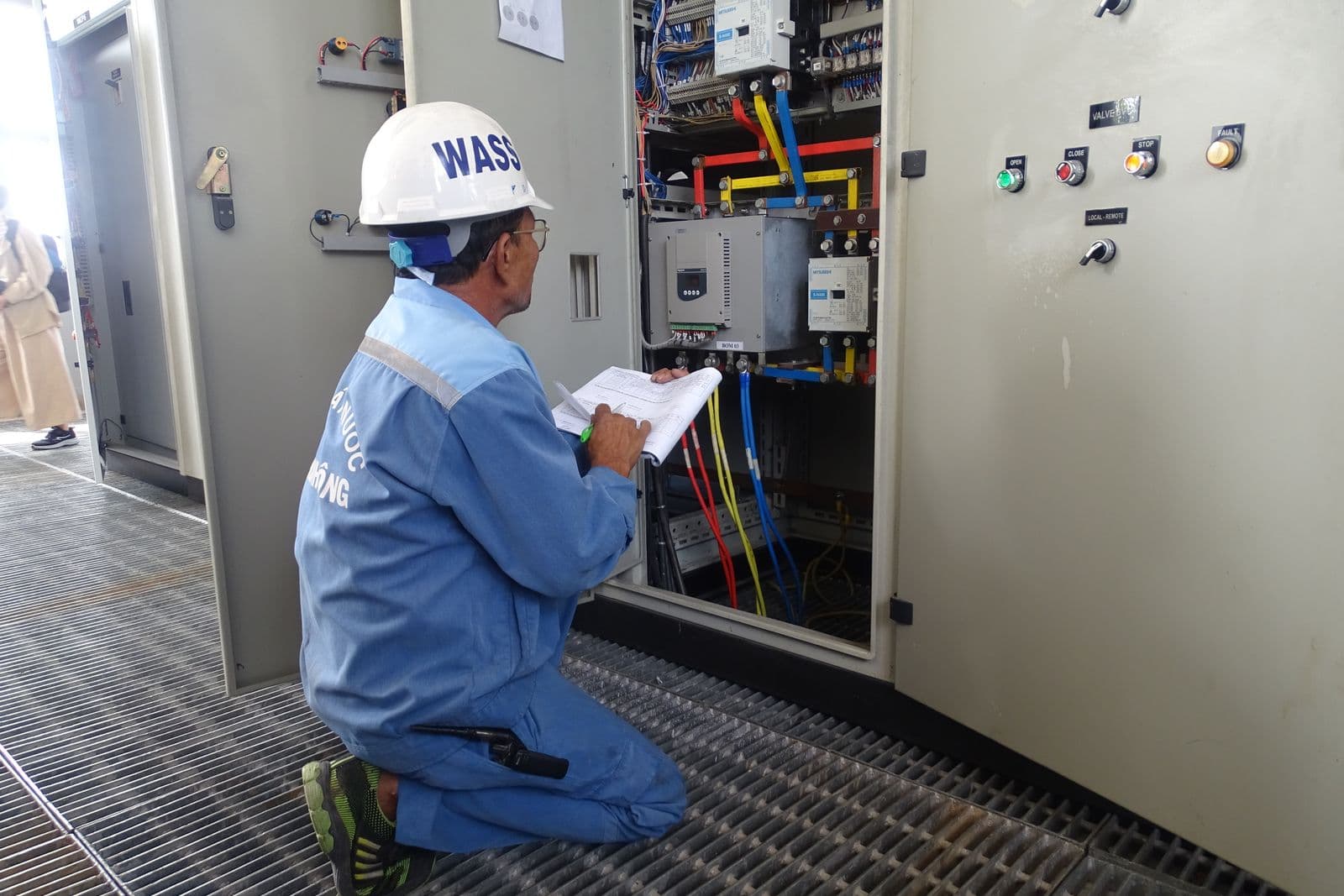
Photo: Pexels
Before you price an inverter replacement, find out whether you are paying for the inverter at all. Most residential inverter warranties in our catalogue run 10 to 12 years on parts, and the Enphase IQ8 microinverter runs 25. If you are inside the term, the part should be free. The labour almost certainly is not, and that is where the bill comes from.
So the order of operations is: check the warranty, then price the work.
Step one: is it actually the inverter?
Inverters get blamed for a lot of things that are not the inverter.
An isolator that has failed. A DC fault in a string. Shading from a tree that has grown. A panel that has gone open circuit and taken a string with it. A tripped breaker after a storm. Every one of those looks like "the system has stopped" from the kitchen.
A diagnosis costs a call out, and that call out is not wasted money. Replacing a working inverter is the most expensive way to not fix a problem.
Step two: work out your real warranty expiry date
This is where people get an unpleasant surprise, and it is entirely avoidable.
Your warranty does not necessarily start on the day the system was switched on. Here is what our catalogue holds, brand by brand, with the date each document was read on the brand page.
| Brand | Parts term | When the term starts |
|---|---|---|
| SolarEdge | 12 years standard | Earlier of installation or four months from shipment |
| Enphase | 25 years on IQ8 | Activation in Enlighten |
| Fronius | 10 years with Warranty Plus | Delivery ex works, or commissioning if registered in Solar.web |
| Sungrow | 10 years | Installation date |
| GoodWe | 10 years, or 5 if conditions are not met | Per the document, with the SEMS condition attached |
| SMA | 10 years factory, US residential | Per the document |
| Sol-Ark | 10 years | Initial purchase or receipt by the end user, whichever is later |
| EG4 | 10 years on current inverters | Per the document, with registration or proof of purchase expected |
Notice the second column. Only Sungrow measures from your installation date and nothing else. SolarEdge can start four months after shipment. Fronius starts at delivery unless someone registered it. That means a system installed six years ago might have five years left, or three, depending on how long the box sat in a warehouse.
The warranty deadline calculator works out the real date from the dates you have.

Step three: check the conditions, not just the dates
Two brands above have a condition that can shorten the term without any deadline being missed.
GoodWe. The 10 year term holds only while the inverter is connected to the SEMS portal and uploading generation data. On a hybrid running a Lynx battery, both serials have to be registered. Miss either and the term is five years. Nobody is notified when this happens, which means a homeowner who changed their wifi password in year two can find out in year seven.
Fronius. The free 10 year Warranty Plus depends on registration in Solar.web within 30 months of delivery ex works. Register and cover starts at commissioning instead of delivery. Units installed before 1 October 2024 use a 24 month window from installation.
So "my inverter is six years old and the warranty is ten years" is not a conclusion. It is a hypothesis with two things to check.
Step four: understand what the bill is actually made of
If you are out of warranty, or in warranty but paying labour, the quote has these parts:
The inverter itself. Price depends on the size in kilowatts, whether it is a plain string inverter or a hybrid that can take a battery, and the brand. A hybrid costs more than a straight string inverter because it does more.
The electrician's time. Removing the old unit, mounting the new one, reconnecting the DC and AC sides, and commissioning it. This is licensed work and it is charged at a licensed rate.
The trip. Getting a van and a person to your house is a fixed cost that does not care how quick the job is. If you are rural, this is a bigger share of the bill than you would think. It is also the reason a diagnosis visit and a repair visit on separate days costs meaningfully more than doing both at once.
Compliance and paperwork. New equipment on a grid connected system means a new compliance certificate and notifying your network or utility. That is time, and it goes on the bill.
Access. A wall mounted inverter in a garage is a simple job. A microinverter under a panel in the middle of a roof is a roof job, which means panel removal, refitting, and whatever access equipment the roof needs.
We are not going to publish a dollar range here. Inverter prices, electrician rates and trip charges vary enormously by country, state and how far you are from the nearest service company, and we only publish figures we have checked against a document. Get two quotes. The inverter replacement cost tool walks through the same line items so you can see whether a quote has left something out.
The one labour figure we can give you
Enphase, in the United States, reimburses $200 per truck roll plus $25 per replaced microinverter. A paid Labor Protection Program extension stretches labour cover to five or ten years from activation.
That is the only stated labour rate in our catalogue. Every other inverter brand in it carries zero months of labour cover, which means the part is free and the visit is yours. The truck roll cost tool puts your real cost against that reimbursement.
If you want to see how thin labour cover is across the industry, the inverter warranty comparison lists parts and labour side by side.
Repair or replace?
Some inverter faults are repairable. A failed fan, a failed isolator, a communications card. Many are not, because the failure is on a board that is not sold separately and the manufacturer's own answer to a fault is a whole unit swap.
Ask the question anyway. And ask the second question too: if this unit is at the end of its warranty and its replacement is a new 10 or 12 year term, does it make more sense to replace now, at a time you choose, than to have it fail in winter.
When the replacement changes the system
Two things worth knowing before you agree to a swap.
A different brand may change your monitoring. If you replace a GoodWe with something else, the SEMS condition stops applying, but so does the app the homeowner has been using. Make sure whoever quotes explains what the new monitoring looks like.
A hybrid is not a battery. Replacing a string inverter with a hybrid means you could add a battery later. It does not mean you have one. Some quotes blur this.
The short version
- Confirm it is the inverter, not something upstream of it.
- Find the shipment or delivery date, not just the install date, and work out the real expiry.
- Check the brand's conditions, especially if it is a GoodWe or a Fronius.
- If it is in term, the part should be free. Ask who pays the labour, in writing.
- If it is out of term, get two quotes and check both cover the trip, the compliance paperwork and the access.
Start with your brand page. Every one carries the terms and the date the document was read: inverter warranties by brand.
Checked against
- SolarEdge Australia: warranty
- Enphase: home solar system warranty coverage
- Fronius Australia: warranty models
- GOODWE Limited Warranty for Inverter System, Australia and New Zealand
- Sungrow Australia: warranty registration and service
- SMA America: service and warranty
Warranty terms change and differ by country. Treat this as a starting point and check the manufacturer's current document before you rely on it.
Keep reading
Solar panel maintenance: what actually needs doing
Most solar maintenance advice is about cleaning glass. The maintenance that actually costs you money when it is skipped is the upkeep your warranty depends on, and it happens on a router and in a filing cabinet, not on the roof.
CostsIs the Enphase Labor Protection Program worth buying?
Enphase reimburses $200 per truck roll plus $25 per replaced microinverter in the United States, and the paid Labor Protection Program extends labour cover to five or ten years from activation. Whether that pays is arithmetic you run with your own visit cost.
Keep the serial, the photo and the date on every install
Claim Timer stores one record per piece of equipment, with the nameplate photo and the registration confirmation on it, so the claim has its proof already.