
The best solar panel warranty in 2026, judged on labour cover rather than years
Almost every panel brand offers 25 years. Almost none of them pay for the work of replacing a panel. Ranked on the thing that actually costs you money, one brand in this catalogue is not close.
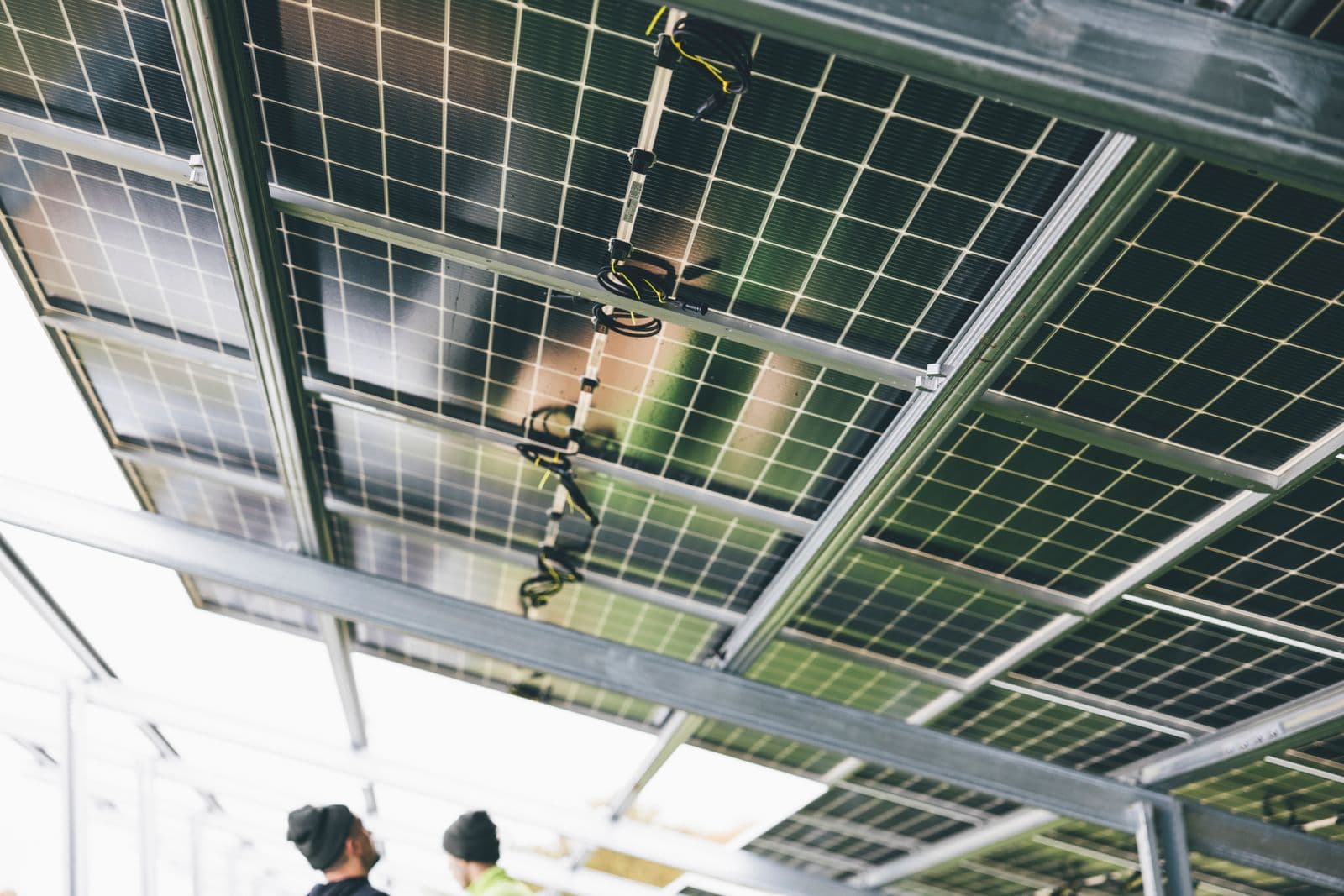
Photo: Pexels
Judged on labour cover, REC wins and nothing else is close. The Alpha Pure-R line carries 240 months of labour cover, which is 20 years. Every other panel line in this catalogue carries none. Since almost every brand offers 25 years of product cover, the years on the brochure tell you nothing, and who pays for the ladder tells you everything.
Why years are the wrong measure
Look at the panel brands in this catalogue and the product terms cluster hard. Twenty-five years, over and over. When seven brands offer roughly the same number, that number has stopped being a way to choose between them.
What has not converged is what happens on the day a panel fails in year twelve. The manufacturer sends a replacement panel. Then somebody has to attend, diagnose it, isolate the string, get on the roof, swap the module and recommission. That visit is a real bill, and for most brands it is entirely yours.
So the honest ranking is on two things: does the brand pay toward labour, and how easy is it to lose the term you were sold.
The catalogue, ranked
These are the panel brands whose documents we have read, with the date we read them. It is not every panel brand on the market. It is every panel brand we can speak about with a source.
| Brand | Line | Parts cover | Labour cover | What can cost you the term | Checked |
|---|---|---|---|---|---|
| REC | Alpha Pure-R | 25 years | 20 years | ProTrust needs a certified installer who registered the install | 30 July 2026 |
| Canadian Solar | TOPHiKu6 | 25 years | None | Nothing found. 30 years performance | 16 August 2026 |
| Jinko | Tiger Neo | 30 years | None | Term can start at delivery or 180 days after manufacture | 30 July 2026 |
| LONGi | Hi-MO 6 | 25 years | None | No registration requirement found | 30 July 2026 |
| Trina | Vertex S+ | 25 years | None | Term starts at install or three months after delivery | 30 July 2026 |
| Silfab | Elite | 25 years | None | 180 days to register, or it stays 12 years | 16 August 2026 |
| Q CELLS | Q.PEAK DUO | 25 years | None | Period runs from the end customer invoice date | 28 July 2026 |
The parts and labour figures are the months this catalogue holds for that specific product line, taken from the manufacturer's own document on the date shown.

1. REC, and it is not a close race
Twenty years of labour cover on the Alpha Pure-R line. Twenty. Every other panel line here pays nothing toward the work, so this is not a marginal advantage over the field, it is a different category of promise.
There is a catch, and it is a real one. REC's standard product warranty needs nothing from anybody. ProTrust, the cover on the sales brochure, applies only when an REC Certified Solar Professional installed the system and registered the installation in ProPortal or the SunSnap app. No deadline is published for that registration, which sounds relaxed and is actually the risk: a thing with no deadline gets deferred forever.
So the practical advice is blunt. If you are buying REC because of ProTrust, get written confirmation from your installer that they are REC certified and that they have registered your installation. Ask at handover, while the details are in somebody's hand. Do not ask in year eight.
Our REC reading was against the Australian document, on 30 July 2026. If you are buying in the United States, confirm the current REC terms for your market before you rely on the labour figure.
2. Canadian Solar, for having nothing to go wrong
Twenty-five years product, 30 years performance, and no registration deadline found on the current TOPHiKu6 residential modules. No labour cover, like almost everyone.
A warranty with no conditions attached is worth more than it looks. Most of the claims that fail in this catalogue fail because a condition was quietly broken, not because the term ran out. A brand that asks nothing of you cannot catch you out. Keep the invoice, the delivery date and the serials with the job and there is nothing else outstanding.
3. Jinko, on the longest product term
Thirty years of parts cover on the Tiger Neo line is the longest product term of any panel line in this catalogue, and there is no registration to complete.
The thing to watch is the start date. The term begins at delivery, or 180 days after manufacture, whichever is earlier. Panels that sat in a warehouse start their clock before they reach your roof. A claim also wants the warranty certificate plus the purchase and installation invoices, so those three documents are the claim file and they belong somewhere permanent.
4. LONGi and Trina, unremarkable in the good way
Twenty-five years, no labour, no registration requirement found in either brand's published terms. Trina's term starts at installation or three months after delivery, whichever comes first, which is a shorter warehouse window than Jinko's.
For both of these the entire homeowner job is keeping the invoice and the install date. That is genuinely the whole thing.
5. Silfab, excellent unless somebody drops the ball
Silfab has the best and the worst attribute in the list at once.
The product warranty is 12 years from delivery, and it becomes 25 years only if the installation, site and product details are registered through Silfab's portal within 180 days of purchase. The performance warranty runs 30 years either way.
That 180 day window is the clearest real registration deadline in the US residential market. Miss it and you lose 13 years of product cover, silently, with no notification and no way back. The panels are not worse for it. Your exposure is entirely down to whether one administrative task happened in the first six months.
If you are buying Silfab, this is the question to ask before you sign: who registers it, and when will you send me the confirmation. Then put the date in a calendar yourself. The warranty deadline calculator will give you the exact date from your purchase date.
6. Q CELLS, with a confidence caveat we will not hide
The terms we could read run the warranty period from the end customer invoice date and mention no registration at all. Keep the invoice, because it sets the start of the term.
We are less confident about this entry than the others and the brand page says so. The reading was 28 July 2026 and the note flags that the current document should be confirmed with Q CELLS before anything material is relied on. We would rather rank it low with a caveat than pretend to a certainty we do not have.
The whole-system point
If labour cover is what you care about, do not stop at the panels.
The only brand in this catalogue that pays a stated cash rate per visit is an inverter maker. Enphase reimburses $200 per truck roll plus $25 per replaced microinverter in the United States, and a paid Labor Protection Program extension stretches labour cover to five or ten years from activation. On the inverter side, that is the closest thing to a real labour promise in the market.
It is also worth knowing that $200 does not cover a truck roll. Ask any installer. If you want to see the gap, the truck roll calculator does the arithmetic.
How to actually buy on warranty
- Ask which panel model, not which brand. Terms differ between product lines from the same maker.
- Ask for the warranty document for that model, in your market, before you sign.
- Ask what the brand pays toward labour. Expect the answer to be nothing, and be pleasantly surprised when it is not.
- Ask who registers it and when you will get the confirmation. Get that in writing.
- Ask what your installer's own workmanship warranty covers and for how long. That is the warranty that pays for the visit, and it is the one that disappears if they close.
Compare the rest of the catalogue at panel warranties, and check the conditions on whatever you are being quoted before the deposit goes down rather than after.
Checked against
- REC Group: warranty registration
- Silfab Solar: warranty registration
- Canadian Solar: warranty
- Jinko Solar: warranty
- Trina Solar: support and warranty
- LONGi: service and warranty
- Q CELLS
- Enphase: home solar system warranty coverage
Warranty terms change and differ by country. Treat this as a starting point and check the manufacturer's current document before you rely on it.
Keep reading
Buying a house with solar panels: transferring the warranties
The solar system comes with the house, but the paperwork often does not. Here is what to ask the seller for before settlement, which warranties survive the sale, and the conditions that can quietly halve one after you move in.
Warranty basicsSolar panel warranty explained: the three types and what each one covers
A solar system carries three separate warranties, and they are held by different companies. Here is what each one covers, how long it lasts, and which one you need when something breaks.
Keep the serial, the photo and the date on every install
Claim Timer stores one record per piece of equipment, with the nameplate photo and the registration confirmation on it, so the claim has its proof already.