
SolarEdge inverter warranty: terms, extension, and how to claim
SolarEdge inverters carry 12 years as standard with nothing to register. The only real deadline is on the paid extension to 20 or 25 years. Here is when cover starts, what it pays for, and what a claim needs.
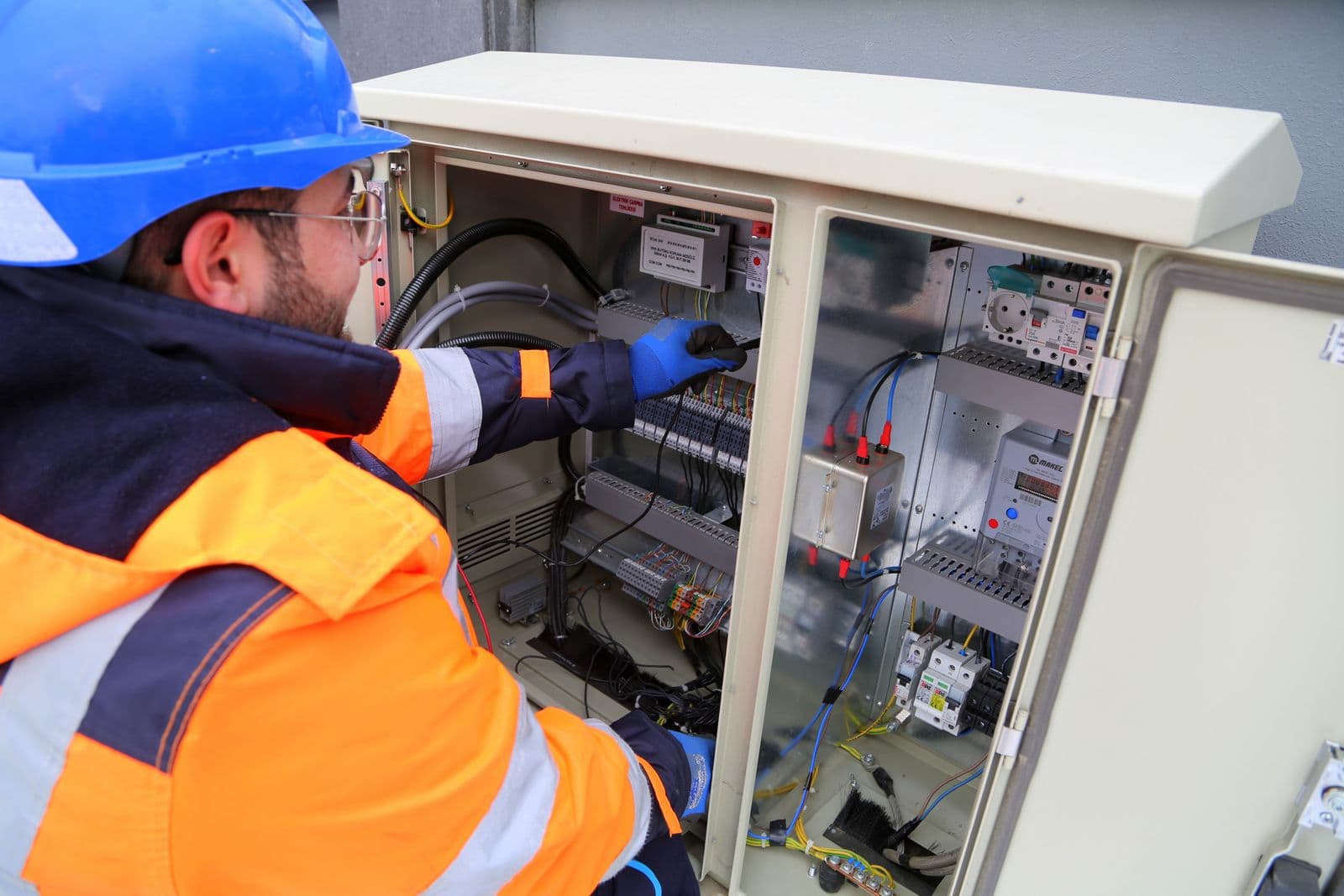
Photo: Pexels
A SolarEdge inverter carries a 12 year warranty as standard, and you do not have to register anything to get it. Cover starts at the earlier of your installation date or four months from the date the unit shipped. Extensions to 20 or 25 years exist, but they are paid, and they have to be bought within 24 months of shipment.
That last sentence is the only clock on this brand. Everything else is automatic.
What the standard 12 years covers
It covers the inverter being faulty. If the unit fails inside the term and the fault is a defect rather than damage, SolarEdge supplies a replacement or a repair.
Here is what the catalogue holds for the SolarEdge lines it has checked.
| Product line | Models | Parts cover | Labour cover |
|---|---|---|---|
| HD Wave | SE5000H-AU, SE8250H-AU | 12 years | None |
| Home Hub | SE10000H-RWS | 12 years | None |
Those are Australian model codes, because the Australian warranty pages are what was read. If your unit has a different suffix, the term is likely the same but the document that governs it is not the one checked here.
The full brand record, with the verification date on it, is on the SolarEdge warranty page.
When the clock actually starts
This is the part people get wrong, and it is worth a minute.
Cover starts at the earlier of two dates: the day the inverter was installed, or four months after it shipped. Whichever comes first.
So if the inverter sat in a distributor's warehouse for six months before it went on your wall, you did not get 12 years from install day. You got 12 years from the four month mark after shipment, which means you lost the difference before the system ever made a kilowatt hour.
Nobody tells you this happened. There is no letter. The only way to know your real expiry date is to know the shipment date, and the only person who can find that out easily is your installer, on the day, from the box.
If you want to see where your own date lands, the warranty deadline calculator will work it out from what you know.

The one deadline: the paid extension
SolarEdge sells extensions that take the term from 12 years to 20 or 25.
The condition is a hard one. The extension has to be purchased within 24 months of shipment. Not 24 months from install. From shipment.
That means the decision is not one you can leave until year eight when the inverter starts playing up. It is a decision made in the first two years of the system's life, usually at the point of sale, and usually by someone offering it to you as an upsell you did not understand at the time.
If you are inside that window now and thinking about it, the honest way to decide is to work out what an out of warranty replacement would actually cost you against the price of the extension. The inverter replacement cost tool walks through the parts of that bill.
If you are outside the window, it is closed. There is no late option we have found published.
Registration happens by itself, which is exactly the problem
SolarEdge is what we classify as an auto registration brand. The commissioning app the installer uses on the day registers the unit. You do not fill in a form. Your installer does not fill in a form either, at least not a separate one.
That is convenient and it is also why the record is worth checking. When a step is automatic, nobody verifies it, and the failure is silent. An install that never got commissioned properly in the app, or got commissioned under the wrong site, is a claim that starts with an argument about whether the unit exists in the system.
The check takes a minute. Log into the SolarEdge monitoring portal, confirm your site is there, confirm the inverter serial listed matches the sticker on the unit on your wall. Do it now, while your installer still answers the phone. The SolarEdge registration page lists the details the record should carry.
Does SolarEdge pay for labour?
No. The lines in our catalogue carry 12 years of parts cover and no labour cover.
This is the normal situation across the industry, and it is the single biggest surprise in solar warranties. A free inverter is not a free repair. Somebody still has to drive to your house, diagnose the fault, take the dead unit off the wall, put the new one up, and commission it. That is a licensed electrician for several hours plus the trip.
Unless your installer sold you a labour warranty of their own, or their workmanship warranty covers it, that bill is yours even though the part is free.
There is one brand in our catalogue that pays a stated rate toward labour, and it is not this one. See the Enphase warranty page if you want the contrast.
How to make a SolarEdge warranty claim
Claims go through the installer in almost every case, because the manufacturer wants a trade diagnosis, not a homeowner's description of a red light.
What you need in hand:
- The inverter serial number, from the sticker on the side of the unit
- The model
- The installation date, with something that proves it, usually the invoice
- Your name and the installation address
- The name of the company that installed it
Then the fault itself: the error code on the display or in the app, what the system is doing, and when it started. Screenshots of the monitoring portal showing the production drop are worth more than a paragraph of description.
Two things make a claim go faster. First, send the serial as a photograph of the sticker as well as typed out, because transcription errors on a serial number cost days. Second, give them the date the fault started, not the date you noticed it, and say which is which.
The step by step version, with the evidence list, is on the SolarEdge claim page, and the claim checklist tool will print the same list for you to work through.
If your installer has gone
This happens a lot in solar. The manufacturer warranty is still alive, because it is held by SolarEdge, not by the company that closed.
What you have lost is the workmanship warranty and the person who would normally file the claim for you. Any other accredited installer can take the job on, but they will charge you for the visit, because nobody pays them for it. That is the labour gap again, and it bites hardest exactly when you have nobody to argue with.
What we have checked, and what we have not
The SolarEdge terms above were read on 30 July 2026 from SolarEdge's Australian warranty pages.
We have not verified a separate United States warranty document for SolarEdge. If you are in the US, the shape of the warranty is likely similar, but we are not going to state a US term we have not read. Check the document that came with your unit, or ask your installer for the warranty PDF for your specific model.
That is the rule this whole site runs on. Where we know, we say, and we say when we checked. Where we do not know, we say that instead.
The short version
- 12 years standard, nothing to register
- Cover starts at install or four months from shipment, whichever is earlier
- Extension to 20 or 25 years must be bought within 24 months of shipment
- Parts covered, labour not
- Verify the monitoring record exists now, not on the day something breaks
Compare it against the other inverter brands on the inverter warranty page.
Checked against
Warranty terms change and differ by country. Treat this as a starting point and check the manufacturer's current document before you rely on it.
Keep reading
Solar panel warranty explained: the three types and what each one covers
A solar system carries three separate warranties, and they are held by different companies. Here is what each one covers, how long it lasts, and which one you need when something breaks.
Warranty basicsHow long do solar panels last? The answer with a document behind it
Every other page answers this with an average somebody made up. The only enforceable answer is the term a manufacturer signed: 25 to 30 years on the panel brands we have checked, and 10 to 12 on the inverters.
Keep the serial, the photo and the date on every install
Claim Timer stores one record per piece of equipment, with the nameplate photo and the registration confirmation on it, so the claim has its proof already.