Taking on orphaned solar customers when another installer closes
When a solar company closes, its customers keep their manufacturer warranties and lose their workmanship cover. That is a service pipeline, but only if you check which manufacturer conditions are still intact before you take the job.
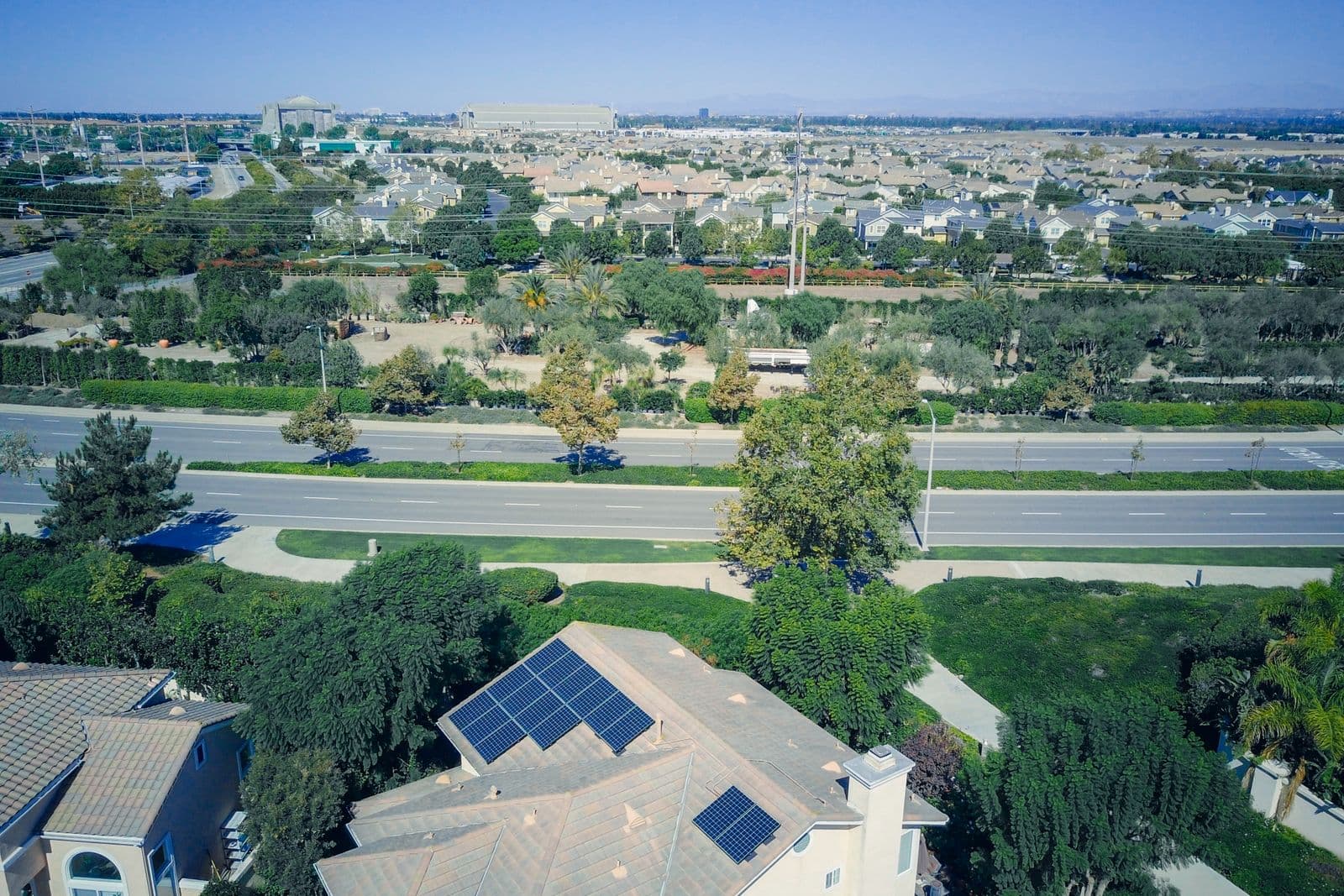
Photo: Pexels
An orphaned solar customer is a homeowner whose installer has closed. Their workmanship warranty died with that company. The manufacturer warranties on the panels, inverter and battery did not, because a manufacturer's obligation sits with the manufacturer. That gap is the opportunity. The diligence is finding out which manufacturer terms are still intact before you quote.
Why the phone rings
A homeowner with a dead inverter calls their installer first. When that number is disconnected they call whoever comes up next, which is you. They arrive already angry at an industry, not at you specifically, and they arrive with a system you did not design, did not commission and have no records for.
That is the whole shape of the job. The revenue is real: diagnosis visits, out of warranty replacements, battery retrofits, and a customer who will name you when their neighbour asks. The risk is also real, and it is almost entirely a records problem.
What you are inheriting
Three separate warranties come with a solar system, held by three different parties.
| Layer | Held by | When the original installer closes |
|---|---|---|
| Workmanship | The installing company | Gone |
| Product | The equipment manufacturer | Unaffected |
| Performance | The equipment manufacturer | Unaffected |
The manufacturer layers are the ones worth money to your customer and worth diligence to you. They do not lapse because a company folded. What they can be is already broken, or already shorter than the homeowner believes, because of something the previous installer did or failed to do.

The five checks before you take the job
Do these before you price anything. All five are desk work except the last.
1. Get the serials. Product warranty is a per unit thing, not a per system thing. You need the inverter serial, the battery serial, and at least a sample of module serials with the make and model. Photograph every nameplate you can safely reach on the first visit.
2. Establish the start date, not the install date. These are not the same thing, and on several brands the difference is months of cover. BYD runs the ten years from six months after production unless there is a written delivery note on file, in which case it runs from delivery plus thirty days. A closed company's delivery notes are usually gone. FranklinWH starts at installation or twelve months after manufacture, whichever comes first, so warehouse time comes off the term. Ask the homeowner for their contract and invoice before you assume anything.
3. Check the conditions, not just the years. This is the part that catches people. Several brands publish a long headline term that only holds while something stays true. GoodWe gives ten years only while the inverter is connected to the SEMS portal and uploading generation data, and five years otherwise. Tesla needs the Powerwall to stay connected to the internet, and if the connection drops and is not restored within 45 days of Tesla's written request, cover ends at 48 months rather than ten years. Neither of those sends a letter when it breaks.
4. Check whether a registration that was supposed to happen ever happened. REC ProTrust, the cover on the brochure the homeowner was sold from, exists only where an REC Certified Solar Professional installed the system and registered the installation in ProPortal or the SunSnap app. If the closed company never did that, the system is on the standard product warranty and the customer does not know it. Silfab is starker: the product warranty is twelve years from delivery, and becomes twenty five only if the install was registered through Silfab's portal within 180 days of purchase. That window has almost certainly closed on an orphaned system.
5. Verify what the monitoring says. If there is a portal account, find out whose email it is under. A commissioning account owned by a company that no longer exists is a live problem for SolarEdge, Enphase and Sungrow systems, where the commissioning app is what registered the equipment in the first place.
Brand by brand, what to look for
Use the warranty deadline calculator with the install date and brand, then check the specific thing below.
| Brand | The thing to check on an orphaned system |
|---|---|
| GoodWe | Is the inverter still on SEMS and uploading? Ten years depends on it, five is the fallback |
| Tesla | Is the Powerwall online? Connectivity is a live condition for the whole decade |
| REC | Was the install registered by a certified installer? No registration, no ProTrust |
| Silfab | Was it registered within 180 days of purchase? Twelve years versus twenty five |
| BYD | Is there a delivery note? It moves the start date by months |
| FranklinWH | Manufacture date versus install date, whichever is earlier starts the clock |
| Fronius | Was it registered in Solar.web within 30 months of delivery ex works? That is what buys the free ten year Warranty Plus |
| EG4 | Registered within the first year, or is there proof of purchase from an authorised distributor? One of the two has to hold |
| Enphase | Was the system activated in Enlighten? The 25 year IQ8 term runs from activation |
| Sungrow | Nothing to register. Just prove the install date, because the term hangs off it |
Which broken conditions are recoverable
Not every failure is permanent, and this is where you can create value on day one.
Conditions with no published deadline can usually still be met. GoodWe publishes no deadline on the SEMS connection, so an inverter that fell off the network two years ago can be put back on this afternoon and the condition is satisfied again. REC publishes no deadline on ProTrust registration, though you need a certified installer to do it, which may be you.
Dated windows are different. Silfab's 180 days from purchase is a real deadline and a closed installer's missed registration is not something you can fix. Fronius Warranty Plus needs registration within 30 months of delivery ex works. Alpha ESS extended cover is a paid extension that had to be bought within 30 days of installation. Those are gone, and the professional move is to tell the customer plainly rather than discover it mid claim.
Say which is which in writing on the first visit. It is the single thing that separates you from the company that just closed.
Pricing the first visit
An orphaned system diagnosis is not a warranty callback and should not be priced like one. You are absorbing the cost of building a record that should already exist.
Work out what a visit actually costs you before you quote it. Drive time, on site time, your loaded labour rate, and the fact that you will be on the roof or at the switchboard photographing nameplates rather than fixing anything. The truck roll cost calculator does that arithmetic with your own rates rather than an industry number that does not describe your business.
Then look at what comes back. Most manufacturers in this catalogue pay nothing toward labour. Enphase is the exception with a stated rate in the United States: $200 per truck roll plus $25 per replaced microinverter. If the orphaned system is Enphase and the claim is valid, part of that visit is recoverable. If it is anything else, it is not, and you price accordingly.
What to hand the customer
Give them a one page summary at the end of the first visit. Make, model and serial of each unit. The start date you established and what you established it from. The term as the manufacturer's own document states it. Any condition currently unmet, and whether it can be fixed. Whether you fixed it that day.
Give them a copy and keep a copy. That document is why they call you and not someone else in three years, and it is also your evidence if a claim on this system is ever disputed.
Then put it in a record that outlives the visit
The problem with orphaned systems is that the knowledge lives in the head of whoever went out. Two years later, the technician who checked the SEMS connection has left, and the next person starts from nothing again.
One record per piece of equipment, with the nameplate photo, the start date, the conditions and whether each has been confirmed. That is what Claim Timer is for: it holds the record and builds the claim when the part fails. It does not file with the manufacturer for you, and it will not make a missed Silfab window come back. What it does is make sure that the next person who touches this system inherits everything you learned on the first visit.
Start with the warranty claim checklist for the brand in front of you, and work backwards from what a claim will need.
Checked against
- Tesla Powerwall Warranty, Australia and New Zealand
- REC Group: warranty registration
- Silfab Solar: warranty registration
- BYD Battery-Box Premium Limited Warranty, Australia V1.1
Warranty terms change and differ by country. Treat this as a starting point and check the manufacturer's current document before you rely on it.
Keep reading
Silfab's 180 day window is the most expensive deadline in US residential solar
Silfab's product warranty is 12 years from delivery, or 25 years if the install is registered through Silfab's portal within 180 days of purchase. Performance runs 30 years either way. Missing the window costs 13 years of product cover.
OperationsA warranty registration SOP for a three truck solar company
A written procedure you can adopt this week: what the technician captures on site, what the office does within 48 hours, what gets said at handover, and the monthly sweep that catches conditions after they break.
Keep the serial, the photo and the date on every install
Claim Timer stores one record per piece of equipment, with the nameplate photo and the registration confirmation on it, so the claim has its proof already.